
Mental health can feel like one of those phrases everyone uses… but few people define. You might hear it when someone’s “burned out,” when a friend starts therapy, or when you’re lying awake at 2 a.m. thinking, Why can’t I just handle this better?
Here’s the simple, practical truth: mental health isn’t just the absence of mental illness. It’s your overall ability to handle stress, think clearly, feel your feelings without being hijacked by them, and stay connected to people and purpose. It affects how you show up at work, in relationships, and even how you make decisions when life gets messy.
In this guide, you’ll get a clear definition of mental health, how it differs from mental illness, what shapes it, and what to do if yours could use support, without the jargon or the guilt trip.
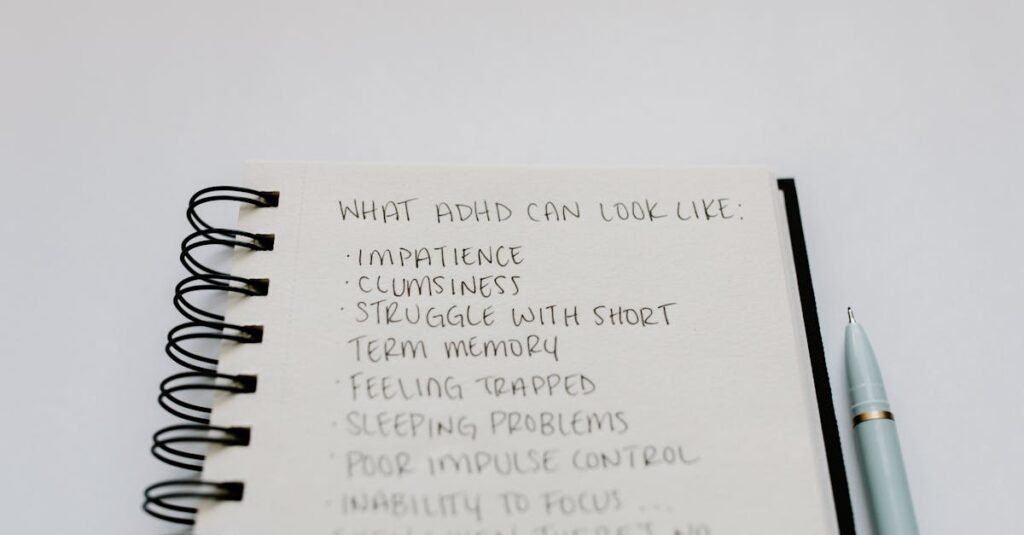
.Stock image: a calm morning scene with a person journaling by a window, suggesting reflection and wellbeing
Mental Health Vs. Mental Illness: What’s The Difference?
A lot of confusion comes from treating mental health and mental illness like they’re the same thing. They’re related, but they aren’t identical.
A widely used public-health definition (including guidance echoed by the World Health Organization) describes mental health as a state of wellbeing that helps you cope with life’s stress, use your abilities, work and learn, and contribute to your community.
Mental illness, on the other hand, refers to diagnosable conditions, like depressive disorders, anxiety disorders, bipolar disorder, PTSD, eating disorders, psychotic disorders, personality disorders, and neurodevelopmental disorders, that significantly affect mood, thinking, or behavior.
Mental Health Exists On A Spectrum
Think of your mental health like your energy, fitness, or sleep: it moves.
Some weeks you’re steady, flexible, and resilient. Other weeks you’re more irritable, foggy, anxious, or checked out.
Researchers often describe this using a dual-continuum model:
- One continuum runs from flourishing → getting by → languishing (overall wellbeing).
- Another runs from no symptoms → mild → severe symptoms (mental illness).
That means it’s possible to:
- Have no diagnosable illness but still feel drained, disconnected, and “not like yourself.”
- Live with a mental health condition and still build a life where you function well and feel supported.
So if you’ve ever thought, “I shouldn’t complain, nothing is technically wrong,” that’s a sign you’ve been sold the false idea that you only deserve support when things are extreme.
When Challenges Become A Disorder
Stress, grief, parenting overload, a brutal work season, these can all hit your mental health without being a disorder.
Challenges may cross the line into a mental health disorder when symptoms are:
- Persistent (lasting weeks or months)
- Intense (hard to manage day-to-day)
- Impairing (work, relationships, sleep, appetite, focus)
- Out of proportion to what’s going on, or don’t lift when the situation improves
A helpful way to frame it: everyone has mental health (like everyone has physical health), and sometimes you need basic maintenance, and sometimes you need professional care. Neither is a moral failure.
The Core Parts Of Mental Health: How It Shows Up In Daily Life

Mental health isn’t one single “thing.” It’s more like a three-part system that shows up in how you feel, how you think, and how you relate.
If you want a practical definition: your mental health is how well you can navigate emotions, thoughts, and relationships while still functioning and feeling connected to your life.
Emotional Wellbeing: Feeling, Naming, And Regulating Emotions
Emotional wellbeing doesn’t mean you’re happy all the time. It means you can:
- Notice what you’re feeling (instead of living in a vague stress cloud)
- Name it with some accuracy (frustrated vs. ashamed vs. lonely)
- Regulate it (calm yourself, ask for space, move your body, talk it out)
When emotional wellbeing is solid, you bounce back faster after a hard conversation or a bad day. When it’s struggling, small things can feel weirdly huge, like one email ruins your mood for hours.
A tiny but powerful skill here is emotion labeling (literally putting words to your feelings). It sounds basic, but it’s linked to better regulation because it engages brain networks involved in control and meaning-making.
Psychological Wellbeing: Thinking Patterns, Identity, And Purpose
Psychological wellbeing is your inner framework, how you interpret your life.
It includes things like:
- Your thinking patterns (catastrophizing, all-or-nothing thinking, self-criticism)
- Your sense of identity (who you believe you are)
- Purpose and direction (what you’re building and why)
- Resilience (how you adapt when plans break)
You don’t need a grand “life purpose” carved into stone. But you do need some sense that your days connect to something that matters, your family, craft, faith, community, curiosity, growth.
If you’re productive but feel empty, that’s often a psychological wellbeing signal, not a “you’re lazy” problem.
Social Wellbeing: Relationships, Belonging, And Communication
Humans are social creatures, even the introverts who need a lot of quiet.
Social wellbeing is about:
- Feeling safe enough to be yourself with at least a few people
- Having support (and being support)
- Navigating conflict without constant shutdown or blowups
- A sense of belonging (friend group, neighborhood, workplace culture, community)
Strong relationships are consistently associated with better mental and physical health outcomes. Not because your friends “fix” you, but because connection reduces isolation, adds meaning, and gives your nervous system signals of safety.
If your mental health has felt shaky lately, ask yourself one gentle question: “Have I been doing life mostly alone?” It’s more common than people admit, especially for busy professionals.
What Shapes Mental Health: The Main Influences
Mental health isn’t just mindset. It’s biology, experiences, habits, and environment interacting, sometimes in ways that are unfair, honestly.
Here are the big influences that tend to matter most.
Biology And Brain Chemistry
Your brain and body chemistry play a real role in how you feel.
Things like neurotransmitters (including serotonin, dopamine, norepinephrine), stress hormones (like cortisol), and brain-circuit activity (such as the amygdala and prefrontal cortex) influence mood, anxiety, motivation, and impulse control.
That doesn’t mean you’re “broken” or that everything is chemical. It means:
- Some people are more biologically sensitive to stress.
- Genetics can raise or lower risk for certain conditions.
- Medication can be appropriate for some people because biology is part of the picture.
A helpful reframe: biology can load the gun, but environment and experience often pull (or don’t pull) the trigger.
Life Experiences, Stress, And Trauma
Life happens, and it leaves marks.
Chronic stress, grief, relationship instability, financial pressure, discrimination, bullying, and early adversity can all raise risk for mental health struggles.
Trauma doesn’t have to mean one dramatic event. It can also be:
- Ongoing emotional neglect
- Living in constant unpredictability
- Feeling unsafe for long periods
If you’ve been through something heavy, your symptoms might be your nervous system trying to protect you. The goal isn’t to judge those responses, it’s to update them so they match your current life.
Lifestyle Factors: Sleep, Movement, Nutrition, And Substances
This is the part people either over-focus on (“Just meditate.”) or ignore (“My brain is separate from my body.”). The truth is in the middle.
Lifestyle isn’t a cure-all, but it sets your baseline.
- Sleep: Poor sleep increases emotional reactivity and stress sensitivity. Even a few short nights can make you feel more anxious and less resilient.
- Movement: Regular physical activity is consistently linked with lower symptoms of depression and anxiety. It also helps regulate stress physiology.
- Nutrition: Your brain uses nutrients to build neurotransmitters and manage inflammation. Stable meals can also stabilize mood and energy.
- Substances: Alcohol and other substances can temporarily numb stress but often worsen sleep, anxiety, and mood over time.
You don’t need perfection here. You need consistency.
Environment And Culture: Workload, Community, And Safety
Your mental health is shaped by what you’re swimming in every day.
Examples:
- A workload that never ends (hello, chronic burnout)
- A workplace culture that rewards being “always on”
- Lack of green space, sunlight, or safe places to walk
- Isolation in a new city or season of life
- Lack of community resources
This is where self-compassion matters. Sometimes the most “mentally healthy” move is not another breathing technique, it’s changing what’s changeable in your environment, even in small ways.
Common Signs Your Mental Health Needs Support
You don’t have to wait for a crisis to take your mental health seriously.
A lot of people miss early signals because they look like “just life.” But your mind and body usually whisper before they yell.
Cognitive, Emotional, And Physical Clues
Some common signs include:
- Cognitive: brain fog, racing thoughts, constant worry loops, rigid thinking, difficulty concentrating
- Emotional: irritability, numbness, prolonged sadness, feeling on edge, losing interest in things you normally enjoy
- Physical: fatigue that rest doesn’t fix, headaches, stomach issues, muscle tension, sleep changes (too little or too much)
One subtle sign: you can still perform (meet deadlines, take care of family), but it feels like you’re doing it with zero internal fuel.
Behavior And Relationship Changes
Your behavior often changes before you even realize your inner state has shifted.
Watch for:
- Withdrawing from friends or activities
- Snapping at people you care about
- Procrastination that feels like paralysis
- More scrolling, more numbing, more “checking out”
- Increased alcohol use or relying on substances to sleep or relax
- Feeling disconnected during conversations, like you’re physically there but mentally gone
If you recognize yourself here, don’t make it a character judgment. Treat it like useful data.
Quick gut-check: Is this new for you, lasting longer than a couple weeks, or getting in the way of work/relationships/sleep?
If yes, it’s worth giving it attention now, not later.
How To Support Mental Health With Sustainable Habits
You don’t need a 47-step morning routine to support your mental health. You need a few basics you can actually repeat, especially when life is busy.
Below are three pillars that tend to help across the board.
Build A Sleep And Recovery Baseline
If your mental health is a house, sleep is the foundation. When it cracks, everything else feels harder.
Try this “good enough” sleep baseline for two weeks:
- Pick a consistent wake time (even if bedtime varies a bit).
- Get 10 minutes of morning light within an hour of waking.
- Cut caffeine 8 hours before bed (6 if you’re sensitive).
- Create a 20–30 minute wind-down: dim lights, shower, stretch, low-stimulation reading.
If you wake at night, the goal isn’t to force sleep, it’s to keep your body calm. Quiet breathing, a boring audiobook, or a short body scan helps.
Use Stress Skills That Work In Real Life
Stress management isn’t about never feeling stress. It’s about finishing the stress cycle so it doesn’t stay stuck in your body.
A few skills that are practical (not precious):
- Physiological sigh (1 minute): inhale through the nose, top it off with a second small inhale, then long slow exhale. Repeat 3–5 times.
- Name the stressor + next step: “I’m overwhelmed by the project scope. Next step is outlining the first section.”
- 5-minute movement break: brisk walk, air squats, mobility flow, or even cleaning, anything that signals, I can move through this.
- Worry parking: write down worries in a notes app, then schedule a 10-minute “worry review” later. Your brain relaxes when it trusts you won’t forget.
And yes, mindfulness can help, especially when it’s small and consistent. Think 60 seconds, not 60 minutes.
Strengthen Connection And Meaning
When people ask “what is mental health,” they often expect an internal answer, brain, thoughts, feelings.
But a big part of mental wellbeing is external: who you’re connected to, and what your life is for.
A few doable ways to build that:
- The 2-text rule: once or twice a week, text someone “thinking of you, want to catch up soon?”
- Make one plan that involves movement + people: walk-and-talk, workout class, pickleball, hiking.
- Do one meaningful thing weekly: volunteer, help a neighbor, mentor someone, create something.
Meaning doesn’t have to be dramatic. It can be as simple as being the kind of person who shows up, learns, and cares.
When To Seek Professional Help And What To Expect
Self-care habits are powerful, but they’re not a replacement for professional support when things are persistent, escalating, or scary.
If you’re unsure whether it’s “bad enough,” that’s often the moment to at least talk to someone.
Choosing The Right Level Of Support
Consider reaching out for professional help if:
- Symptoms last more than 2 weeks and interfere with daily life
- You’re relying on alcohol/substances to cope or sleep
- Panic, intrusive thoughts, or compulsions are increasing
- You’ve experienced trauma and feel stuck in hypervigilance or numbness
- You’re having thoughts of harming yourself, or you feel unsafe
Levels of support can include:
- Self-guided supports: evidence-based books, apps, support groups
- Coaching (non-clinical): habits, accountability, lifestyle changes
- Therapy (clinical): anxiety, depression, trauma, relationship patterns, coping skills
- Psychiatry/medical care: assessment, medication options, rule-outs (thyroid, anemia, sleep apnea, etc.)
- Higher-level care: intensive outpatient programs (IOP), partial hospitalization, inpatient care when safety is a concern
If you’re in immediate danger or thinking about self-harm, seek urgent help right away (in the U.S., you can call or text 988 for the Suicide & Crisis Lifeline).
Therapy, Medication, And Integrated Care
Therapy isn’t just “talking about your childhood.” Depending on the approach, it can be very skills-based.
Common evidence-based options include:
- CBT (Cognitive Behavioral Therapy): helps you work with unhelpful thought patterns and behaviors
- ACT (Acceptance and Commitment Therapy): builds psychological flexibility and values-based action
- Trauma-focused therapies: like EMDR or trauma-focused CBT
- Couples therapy: improves communication and conflict patterns
Medication can be helpful when symptoms are moderate to severe, persistent, or biologically driven, or when therapy alone isn’t enough. For many people, the best outcomes come from integrated care: therapy + lifestyle support + medication when appropriate.
What to expect in a first appointment:
- You’ll be asked about symptoms, sleep, stress, history, and goals
- You’ll collaborate on a plan (frequency, type of therapy, next steps)
- A good provider will make you feel respected, not rushed or judged
If the first therapist isn’t a fit, that’s normal. It’s like finding the right tool for the job: the “best” choice is the one you’ll actually use and trust.
Conclusion
Mental health is your day-to-day capacity to handle stress, regulate emotions, think clearly, and stay connected, to people and to purpose. It’s not a binary label. It’s a moving spectrum, shaped by biology, experiences, habits, and the environment you live and work in.
If there’s one takeaway to keep: you don’t need to hit rock bottom to take your mental wellbeing seriously. Start with a steadier sleep baseline, a couple stress skills you’ll actually use, and one small move toward connection. And if you’re stuck, reaching out for professional help is a strong, practical decision, not a dramatic one.
You’re allowed to treat your mental health like something worth maintaining, because it is.