

If you’ve tried eating “healthy” only to crash at 3 p.m., low-carb, high-fat meals (LCHF) might feel like a breath of fresh air. By dialing down carbs and leaning on quality fats with steady protein, you can smooth out blood sugar swings, stay satisfied longer, and make weeknight cooking simpler.
Below, you’ll learn what LCHF really means, how to build a balanced plate in minutes, and smart ways to personalize carbs and fats for your lifestyle, without turning meals into math problems.
What LCHF Really Means (And Who It Suits)
A low-carb, high-fat (LCHF) approach typically means about 5–10% of calories from carbohydrates, around 60% from fat, and roughly 30% from protein. In practice, that looks like prioritizing protein and non-starchy vegetables, dressing them with healthy fats, and trimming the bread, pasta, rice, and sugary sauces.
Why it appeals:
- Many people report steadier energy, fewer cravings, and easier fat loss, especially around the midsection.
- Research suggests LCHF-style eating can improve insulin sensitivity and satiety for some adults.
Who it suits (and who should be cautious):
- Often helpful for those aiming to lose weight or improve metabolic health.
- Not ideal for everyone. If you’re pregnant, have a history of disordered eating, diabetes on medication, kidney disease, or any chronic condition, talk with your healthcare provider before you change your diet. You can keep carbs moderate and still benefit from the framework.
Big idea: LCHF isn’t about eating endless fat. It’s about whole foods, enough protein, plenty of low-starch plants, and smart fats for flavor and satisfaction.
The Smart Plate: A Simple LCHF Meal-Building Framework
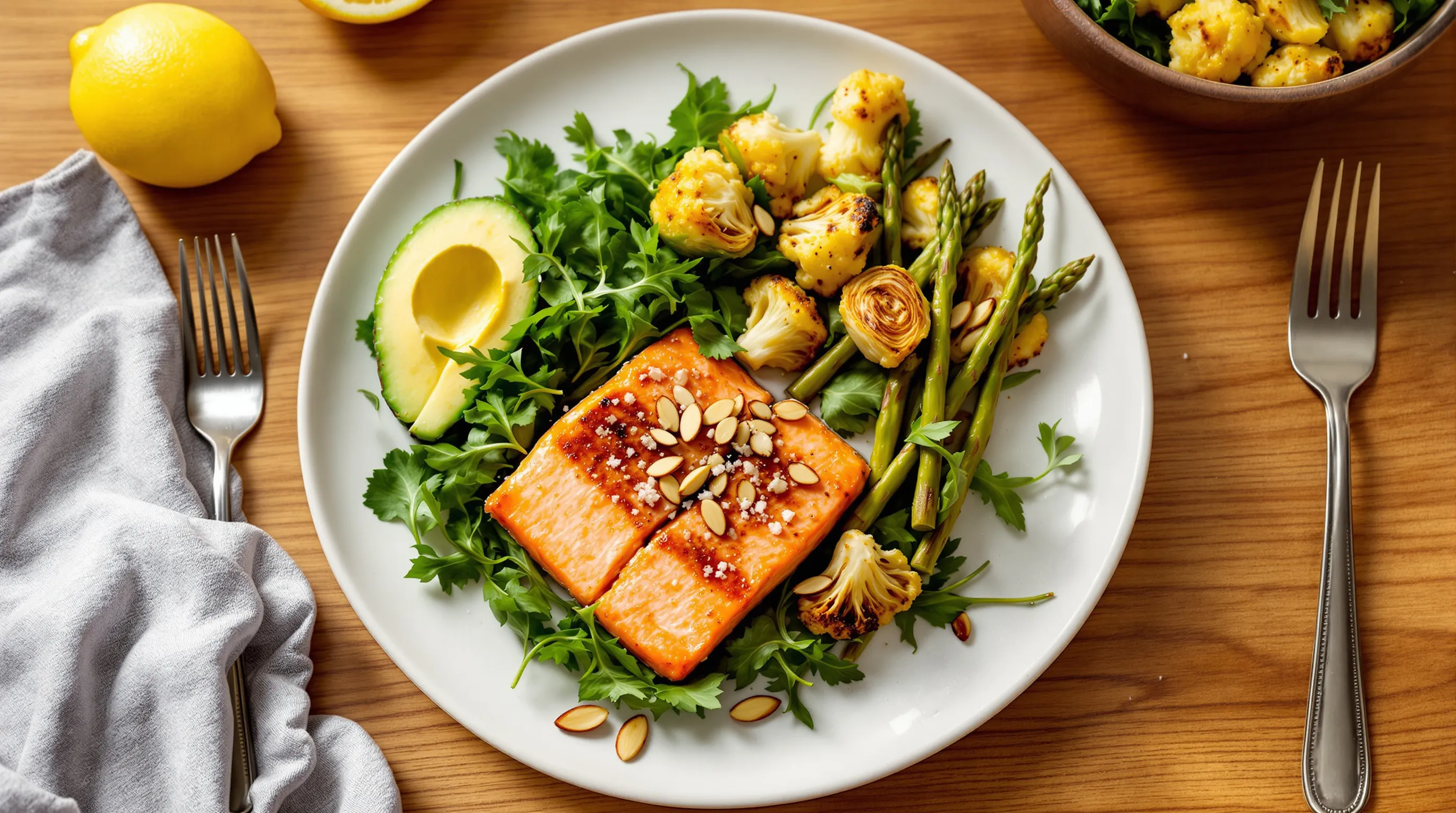
Think of this as your autopilot. Every meal, build your plate in this order: protein, fat, low-starch carbs, flavor.
Protein At The Center
Protein protects lean muscle, supports metabolism, and keeps you full. Make it the star.
- Everyday picks: eggs, chicken or turkey, salmon, sardines, shrimp, steak, pork tenderloin, tofu or tempeh.
- Targets: Aim for about 25–40 grams per meal (roughly a palm-and-a-half of meat or 1 cup Greek yogurt). Adjust up if you’re very active.
- Example plate: Lemon-garlic salmon (6 oz) over a bed of arugula.
Fat For Satiety (Not Excess)
Fat adds flavor and staying power. You need enough, not a flood.
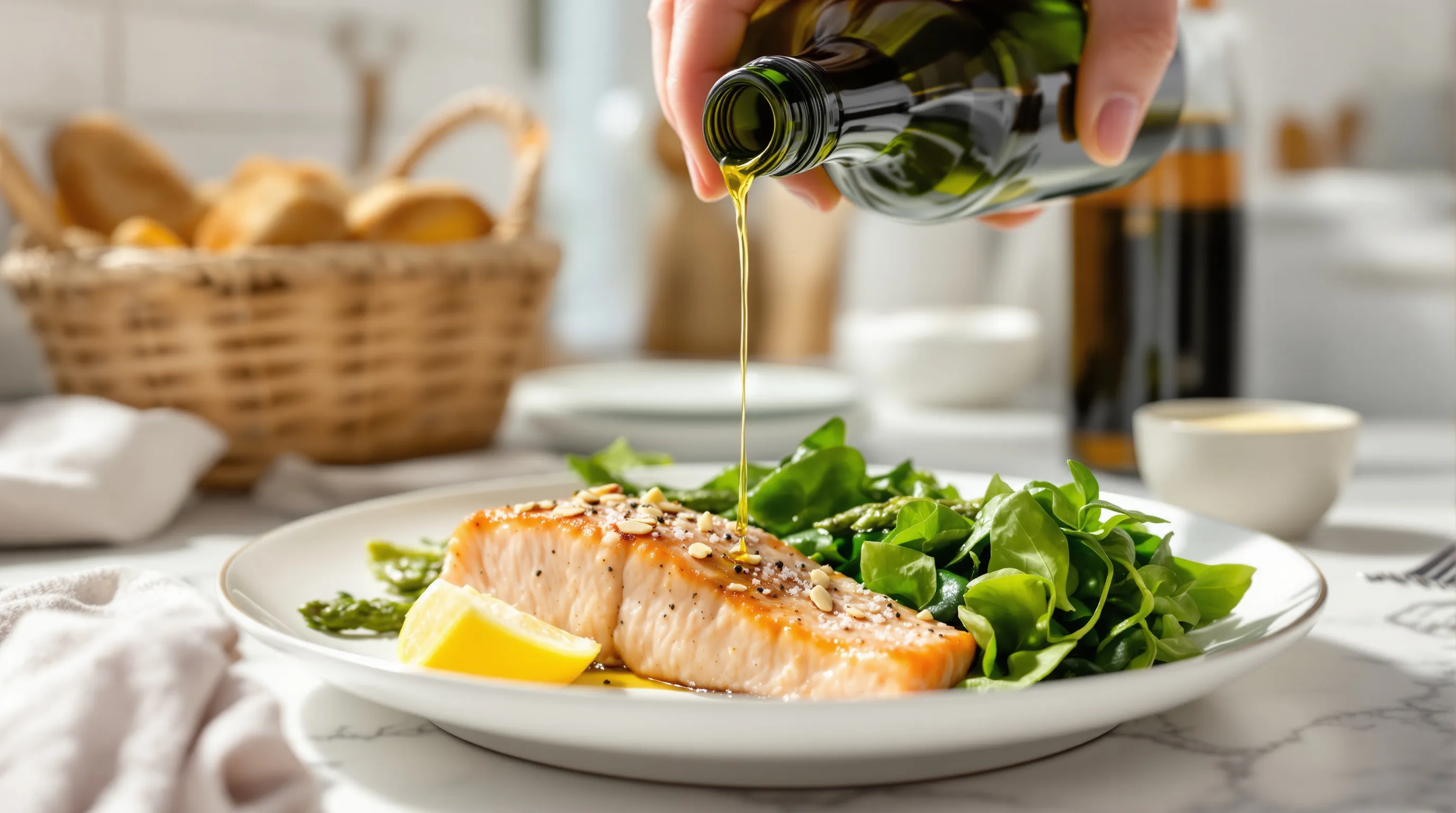
- Prioritize: extra-virgin olive oil, avocado, olives, nuts, seeds, tahini, and some grass-fed butter or ghee.
- Go easy on: high amounts of saturated fat and avoid trans fats. Drizzle, don’t drown.
- Tasty add-ons: a spoon of pesto, a quarter avocado, or a nut-based sauce can transform simple protein and veg.
Low-Starch Carbs And Fiber
Plants still matter, hugely. Focus on non-starchy vegetables for volume, micronutrients, and fiber that supports your gut.
- Great picks: leafy greens, broccoli, cauliflower, Brussels sprouts, zucchini, peppers, mushrooms, cucumbers, asparagus: berries in small portions.
- Pro tip: Roast a big tray of cruciferous veggies on Sundays for quick mix-and-match all week.
Flavor, Texture, And Micronutrients
This is where meals go from “fine” to craveable, and more nutrient-dense.
- Fresh herbs (basil, cilantro, dill), spices (smoked paprika, cumin), citrus, vinegars, miso, kimchi, and sauerkraut add bright flavors and beneficial compounds.
- Texture matters: creamy (avocado), crunchy (toasted nuts), crisp (raw veggies), and juicy (tomatoes) keep meals satisfying without extra carbs.
Pantry And Fridge Staples For Effortless LCHF Cooking
Stock these once, then mix and match in minutes.
Proteins
- Eggs, canned tuna or salmon, chicken thighs, turkey, ground beef/bison, shrimp, extra-firm tofu, tempeh.
- Bonus: pre-cooked options (rotisserie chicken, smoked salmon) save time on busy nights.
Fats And Oils
- Extra-virgin olive oil, avocado oil, ghee or grass-fed butter (use moderately), coconut milk, tahini, nut butters.
- Add-ons: olives, avocados, almonds, walnuts, pumpkin seeds.
Low-Carb Produce
- Leafy greens (spinach, arugula), crucifers (broccoli, cauliflower, Brussels sprouts), zucchini, bell peppers, mushrooms, cucumbers, tomatoes, asparagus, herbs: berries for treats.
Herbs, Spices, And Condiments
- Basil, cilantro, dill, mint: garlic, ginger, turmeric, chili flakes.
- Mustard, hot sauce, vinegars, coconut aminos, tamari, miso, kimchi, sauerkraut.
- Label check: many sauces hide sugar/starch, pick low-sugar versions.
Quick Meals And Batch-Prep Strategies
Busy schedule? Keep meals simple, fast, and repeatable.
15-Minute Breakfasts
- Veggie omelet: 2–3 eggs, spinach, mushrooms, feta, olive oil. Add hot sauce.
- Greek yogurt bowl: full-fat Greek yogurt, chia and hemp seeds, a few raspberries, cinnamon, and a drizzle of tahini.
- Smoked salmon plate: smoked salmon, boiled eggs, cucumber, tomato, capers, olive oil.
15-Minute Lunches And Dinners
- Skillet chicken and zucchini: sauté chicken strips in olive oil with garlic, zucchini ribbons, and lemon. Finish with parsley and parmesan.
- Sardine power salad: arugula, sardines, cherry tomatoes, olives, cucumber, avocado: dress with olive oil and red wine vinegar.
- Tofu stir-fry: extra-firm tofu, broccoli, bell pepper: sauce of tamari, sesame oil, garlic, ginger. Serve over cauliflower rice.
Smart Snacks And Sides
- Handful of nuts, cheese stick with cucumber slices, celery with almond butter, olives, hard-boiled eggs.
- Sides that stretch meals: roasted broccoli, cauliflower mash (with olive oil), shredded slaw with lime and avocado.
Weekend Batch Prep In 60 Minutes
- Proteins (20 mins): roast chicken thighs and a tray of meatballs or bake tofu.
- Veggies (25 mins): two sheet pans, broccoli/cauli on one, peppers/zucchini on the other. Olive oil, salt, pepper.
- Flavor boosters (10 mins): quick pickled red onions: blend a jar of herb sauce (parsley, basil, olive oil, lemon, garlic).
- Portion (5 mins): box up 3–4 mix-and-match meals, protein + veg + sauce: keep greens and sauces separate to avoid sogginess.
Common Pitfalls (And How To Fix Them)
Too Little Protein
It’s easy to under-eat protein when you get excited about fats. If you’re hungry soon after meals or losing strength in the gym, bump protein first, add another egg, an extra few ounces of fish, or a scoop of Greek yogurt.
Hidden Carbs And Sauces
Sugar lurks in dressings, marinades, and condiments. Read labels for added sugars, starches, and flour. Make simple dressings at home with olive oil, vinegar, mustard, and herbs.
Electrolyte And Fiber Gaps
Lower carbs can mean lower insulin and more fluid/electrolyte shifts, sometimes you feel “off” for a week.
- Add mineral-rich foods (leafy greens), a pinch of salt in water if your doctor says it’s fine, and include magnesium- and potassium-containing foods (pumpkin seeds, avocado).
- Keep fiber high with non-starchy vegetables, chia, flax, and nuts to support gut health.
All Fat, No Plants
LCHF isn’t a license to skip vegetables. Aim for 2–4 cups of non-starchy vegetables daily for vitamins, minerals, and polyphenols that support long-term health.
Personalizing Carbs And Fats For Fitness And Weight Goals
Carb Timing Around Training
If you train hard or do longer cardio, a small amount of carbs can boost performance and recovery without derailing LCHF.
- Before or after workouts: add a portion of berries, a small sweet potato, or extra carrots/beets. Start with 15–30 grams and see how you feel.
- Rest days: slide back toward lower carbs and more non-starchy vegetables.
Tracking Versus Intuitive Eating
Tracking can be useful for a couple of weeks to learn your portions and spot hidden carbs. After that, many people do well with an intuitive approach.
- Signs you’ve found your groove: steady energy, minimal cravings, good digestion, and progress toward your goals.
- If weight loss stalls: check protein (often too low), portion sizes of added fats, and mindless snacking. Adjust one variable at a time.
Conclusion
Low-carb, high-fat meals don’t have to be complicated, or extreme. Center your plate on protein, use quality fats for flavor, pile on colorful non-starchy vegetables, and season boldly. Personalize carbs around your training and preferences, stay curious with your ingredients, and check in with your healthcare provider if you have medical conditions. Done consistently, this approach can deliver calmer hunger, steadier energy, and a way of eating that actually fits real life.