

If you’ve ever started a “detox” on a Monday and felt like a different person by Wednesday (either amazing… or kind of miserable), you’re not imagining things. But here’s the twist: most of what people call a detox isn’t your body “releasing toxins” so much as your body adjusting to what you stopped doing, less sugar, no alcohol, less caffeine, fewer late nights, more water, more regular meals.
So how long does detox last, really? It depends on what you’re changing, how consistent you are, and what your baseline has looked like lately. In this guide, you’ll get realistic timelines (days vs weeks), the most common symptoms, red flags to watch for, and a practical 14-day reset that supports your built-in detox systems, without extreme cleanses, laxative teas, or starving your way through your workday.
.A calm, bright kitchen scene with fresh vegetables and a water bottle on the counter (stock image)
What “Detox” Means In Real Life (And What Your Body Is Already Doing)
Let’s clear up the biggest confusion: your body is detoxing all the time.
“Detox” in real life means your body’s natural process of transforming, neutralizing, and removing waste, from things you eat and drink, normal metabolism, medications, alcohol, and everyday environmental exposures. This isn’t a 3-day event. It’s ongoing.
A lot of detox marketing makes it sound like your body is a clogged drain that needs a special juice to “flush.” In reality, if you’re alive, your detox systems are already working, especially your liver and kidneys. What changes when you do a detox-style reset is usually your inputs (food, alcohol, caffeine, sleep) and your routine, which can make you feel very different very fast.
Liver, Kidneys, Gut, Lungs, Skin, And Lymph: The Core Detox Systems
Your detox system isn’t a single organ, it’s a whole network:
- Liver: Your main detox “processing plant.” It uses enzyme pathways (often described as Phase I and Phase II) to convert fat-soluble compounds into forms that can be eliminated.
- Kidneys: Filter your blood and remove waste through urine while managing fluid and electrolyte balance.
- Gut/colon: Moves waste out through stool. Your gut microbiome also helps process certain compounds.
- Lungs: Exhale carbon dioxide and other volatile compounds.
- Skin: Sweating is mostly about temperature regulation, but small amounts of certain compounds can leave via sweat.
- Lymphatic system: Helps transport fluid and immune cells. It relies heavily on movement (it doesn’t have a pump like your heart).
If you support these systems with basics, enough protein, fiber, hydration, and sleep, you’re already doing something far more powerful than most “detox kits.”
Why Most “Detox Programs” Feel Dramatic (Calories, Caffeine, Alcohol, And Routine Changes)
Detox programs feel intense because they often stack multiple changes at once:
- You cut calories, sometimes drastically.
- You remove caffeine (hello, headaches).
- You remove alcohol (sleep changes are real).
- You drop ultra-processed foods, which can change cravings and digestion.
- You shift routines (more water, earlier bedtime, fewer restaurant meals).
A quick note that saves a lot of frustration: a big early drop on the scale is often glycogen and water, not “toxins leaving.” When you eat fewer carbs and less sodium, your body holds less water. That can feel motivating, but it’s not evidence you’ve “purged” anything.
If you want a helpful mental model, think of it like running a business (and yes, this fits your life even if you’re not a spreadsheet person): your body has an operations team already. A detox shouldn’t be a chaotic rebrand, it should be removing bottlenecks and improving daily workflow.
Detox Timelines By What You’re Stopping Or Changing
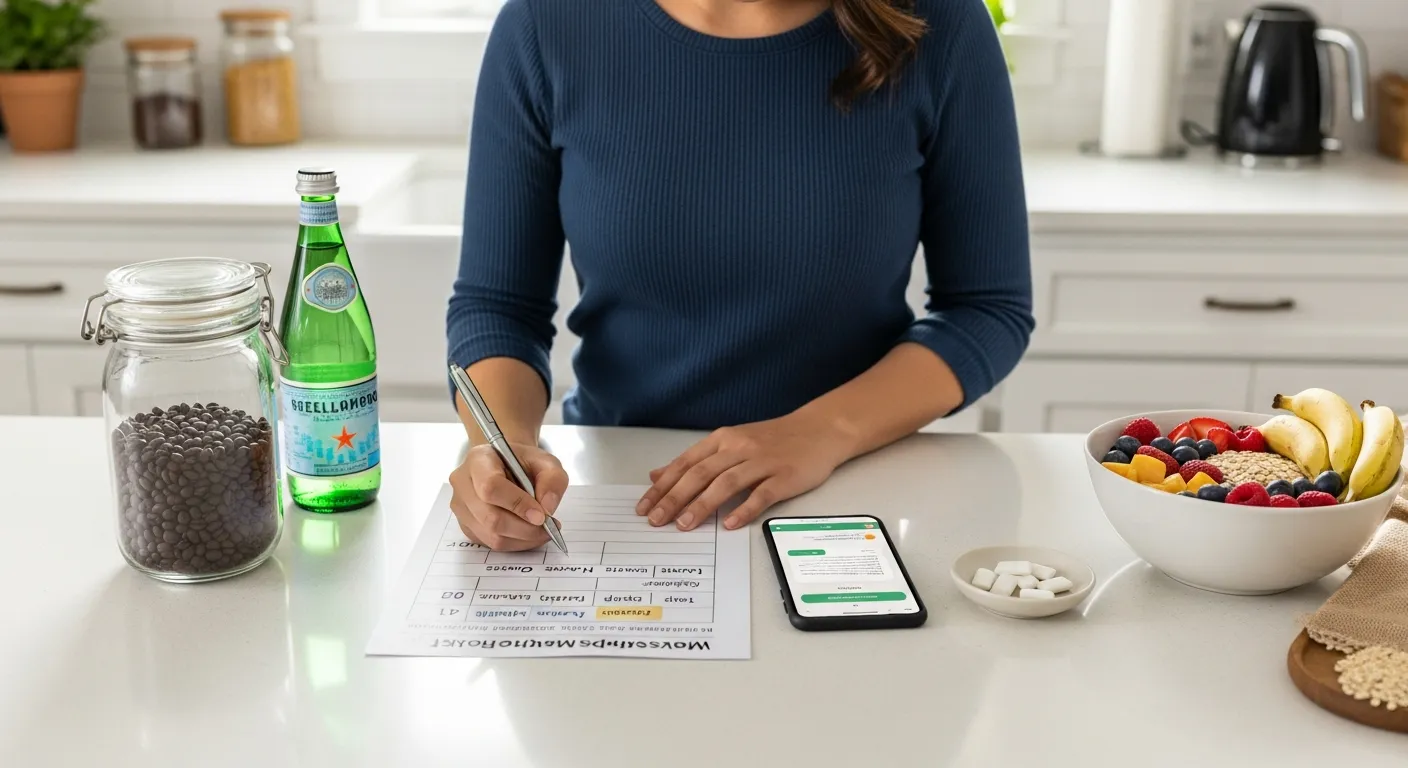
If you’re asking “how long does detox last,” you’re usually asking one of two things:
- How long will I feel withdrawal-ish symptoms?
- When will I start feeling better than before?
Those timelines overlap, but they’re not identical. Here are realistic ranges based on what you’re actually stopping.
Sugar And Ultra-Processed Foods: 3–14 Days For Cravings And Energy Stability
For many people, the first week without ultra-processed foods is the loudest.
What you might notice:
- Days 1–3: cravings spike, you feel snacky, mood is a little edgy
- Days 4–7: cravings start to loosen their grip, energy becomes less “spiky”
- Days 7–14: appetite becomes more predictable, fewer random crashes
Why it happens: highly palatable foods can drive reward pathways and encourage “wanting” even when you’re not physically hungry. Also, if your usual diet is low in protein/fiber, your blood sugar swings more, which can feel like you “need” sugar.
Alcohol: 24–72 Hours Acute, 2–4 Weeks For Sleep And Mood Improvements
Alcohol changes sleep architecture (it can make you pass out faster, but sleep quality often suffers). It also affects hydration, gut function, and mood regulation.
Common timeline:
- First 24–72 hours: disrupted sleep, irritability, cravings (especially at your usual drinking time)
- Week 1: sleep may feel weirdly light: digestion can shift
- Weeks 2–4: many people notice better sleep depth, steadier mood, improved morning energy
If you drink heavily or daily, withdrawal can be dangerous. Don’t “white-knuckle” this alone, medical support is the safe move.
Caffeine: 2–9 Days For Headaches And Sleep Reset
Caffeine withdrawal is famously rude.
Typical pattern:
- Day 1–2: headache, fog, low motivation
- Days 3–5: symptoms start easing for most people
- Up to day 9: sleep timing and energy can continue to normalize
Pro tip: if quitting cold turkey makes you non-functional, tapering is still a valid “detox.” You don’t get extra points for suffering.
Nicotine: 3–14 Days For Withdrawal, Longer For Cue-Driven Cravings
Nicotine is both chemical dependence and habit conditioning.
- First 3–5 days: strongest withdrawal (irritability, restlessness, cravings)
- Up to ~2 weeks: physical symptoms typically fade
- Beyond that: cravings can pop up around cues, coffee, driving, stress, certain friends
This is where having a replacement ritual (gum, a short walk, breathwork, texting a friend) matters as much as willpower.
Cannabis And Other Substances: Why Duration Varies By Use Pattern And Body Composition
Cannabis and many other compounds can vary a lot person-to-person.
Factors that change the timeline:
- how frequently you use
- dose/potency
- whether the compound is stored in body fat (THC metabolites can be)
- your sleep, stress, and activity level
If you’re stopping any substance and you get severe anxiety, panic, tremors, vomiting, confusion, or you feel unsafe, get medical support. “Detox” should not mean “risk it.”
How Long “Clean Eating” Or A Whole-Foods Reset Takes To Feel Noticeable
A whole-foods reset is one of the few “detox” approaches that actually makes sense, because it supports the systems you already have.
But noticeable benefits don’t always show up on day two. Here’s a realistic timeline when you go from “busy-person eating” (takeout, snacky meals, inconsistent protein) to mostly whole foods.
First 72 Hours: Hydration Shifts, Appetite Signals, And Digestive Changes
In the first three days, you’re mostly seeing fast-moving variables:
- Water balance: less sodium + fewer refined carbs can reduce water retention
- Hunger cues: if you increase protein and fiber, you might feel surprisingly full
- Digestion: you may feel lighter… or gassier (fiber increases can do that)
If your fiber jumps from low to high overnight, your gut may need a few days to catch up. That’s normal.
Days 4–14: Energy, Skin, Bloating, And Bowel Regularity Trends
This is the sweet spot where many people think, “Oh. This is why everyone won’t shut up about whole foods.”
You might notice:
- fewer afternoon crashes
- less bloating (or at least more predictable digestion)
- improved bowel regularity if you’re hitting fiber + hydration
- skin looking a bit calmer (often from better sleep + fewer alcohol/sugar swings)
The win here isn’t perfection, it’s consistency.
Weeks 3–6: Metabolic Flexibility, Training Recovery, And More Stable Mood
After a few weeks, deeper shifts become more noticeable:
- more stable mood (partly from sleep and steadier blood sugar)
- better training recovery if you’re eating enough protein and carbs around workouts
- metabolic flexibility (you feel less like you’re constantly hunting for snacks)
This is also when you can tell whether your “reset” is actually sustainable, or whether it was secretly a diet in disguise. If it’s miserable, it won’t last long enough to matter.
Common Detox Symptoms: What’s Normal Vs A Red Flag
When people say detox symptoms, they often mean a mix of withdrawal, sleep disruption, stress, and diet change side effects (like a sudden fiber increase). Some discomfort can be normal. Some is not.
Expected Short-Term Effects (Headache, Fatigue, Irritability, GI Changes)
Common short-term symptoms when you remove sugar/alcohol/caffeine or cut calories too hard:
- headaches (especially caffeine)
- fatigue or low motivation for a few days
- irritability (“why is everyone annoying today?”)
- constipation or looser stools (fiber changes, hydration changes)
- temporary sleep changes (especially when stopping alcohol)
A helpful rule of thumb: mild-to-moderate symptoms that improve over a few days are usually part of adjustment.
When To Stop And Get Medical Advice (Severe Symptoms, Dehydration, Fainting, Confusion)
Stop the aggressive protocol and get medical advice if you have:
- fainting, severe dizziness, chest pain
- confusion, severe weakness, tremors
- signs of dehydration (very dark urine, inability to keep fluids down)
- severe vomiting or persistent diarrhea
- symptoms of alcohol withdrawal (can be dangerous)
Your health doesn’t need “push through.” It needs safe, steady inputs.
Who Should Avoid Fasting Or Aggressive Detoxes (Pregnancy, Eating Disorders, Chronic Conditions)
Skip fasting or extreme detoxes, and talk with a clinician, if you’re:
- pregnant or breastfeeding
- recovering from (or currently dealing with) an eating disorder
- living with diabetes or blood sugar regulation issues
- managing kidney, liver, heart conditions, or other chronic illness
- on medications that require consistent intake or monitoring
Even if you’re generally healthy, aggressive detoxes can backfire by increasing stress hormones, disrupting sleep, and triggering rebound eating.
What Determines How Long Detox “Lasts” For You
Two people can do the “same detox” and have totally different experiences. That’s not because one person has more “toxins.” It’s usually because their baseline is different.
Baseline Intake, Sleep Debt, Stress Load, And Training Volume
If your baseline includes:
- lots of ultra-processed foods
- frequent alcohol
- late-night screens + short sleep
- high stress
- intense workouts without enough fuel
…then your first week of changes can feel bumpy. Not because you’re “releasing toxins,” but because your nervous system is adapting.
Also: if you’re training hard while cutting calories hard, your body may respond with fatigue, poor sleep, and crankiness. That’s not detox. That’s under-recovery.
Gut Microbiome, Constipation, And Fiber Intake
If you’re constipated, you may feel more bloated and uncomfortable during a reset, especially if you suddenly add a lot of fiber without water.
Simple supports that often change the whole experience:
- increase fiber gradually
- drink more water
- add walking (movement helps gut motility)
- include fermented foods if tolerated
Medication Use, Hormones, Age, And Body Fat Distribution
Your timeline can be influenced by:
- medications (some affect appetite, digestion, hydration)
- hormonal shifts (cycle changes, perimenopause/menopause, thyroid issues)
- age (recovery and sleep can change over time)
- body fat distribution (fat-stored compounds can linger longer)
If you’re dealing with persistent fatigue, unexplained weight changes, or ongoing GI issues, it’s worth getting medical guidance rather than assuming you “need a deeper detox.”
How To Support Your Body’s Detox Pathways Without Extreme Protocols
If you do nothing else, do these. Seriously. These are the unsexy habits that make your liver/kidneys/gut work well.
The Big Four: Protein, Fiber, Hydration, And Sleep
Think of this as your detox foundation:
- Protein: supports liver enzyme function and tissue repair. Aim for a solid protein source at each meal.
- Fiber: supports regular elimination and a healthier gut environment. Many adults do well around 25–38g/day, but even “more than you’re currently getting” is progress.
- Hydration: helps kidneys do their job and supports digestion.
- Sleep: your brain’s waste-clearance system (glymphatic function) is most active during sleep, and sleep also stabilizes appetite hormones and stress.
If your detox plan ruins your sleep, it’s working against you.
High-Impact Foods: Cruciferous Veg, Alliums, Omega-3s, And Fermented Options
You don’t need a powder. You need groceries.
Helpful options to rotate in:
- Cruciferous veggies: broccoli, cauliflower, Brussels sprouts, kale
- Alliums: garlic, onions, leeks
- Omega-3s: salmon, sardines, chia/flax, walnuts
- Fermented foods: yogurt/kefir, sauerkraut, kimchi (if tolerated)
Build meals around these and you’re giving your body real raw materials.
Daily Micro Habits: Walking, Sauna Or Sweating, Breathwork, And Light Timing
Small habits add up fast:
- 10–20 minute walk daily (especially after meals): supports blood sugar and gut motility
- Sweating (workout or sauna): great for circulation and stress relief: just rehydrate
- 2 minutes of slow breathing: helps downshift stress, which often reduces cravings
- Morning light + dim evenings: supports circadian rhythm, which improves sleep and appetite regulation
Detox Myths That Make Timelines Confusing
A lot of confusion about how long detox lasts comes from myths that sound scientific-ish, but don’t hold up.
“Toxins Leaving The Body” Vs Glycogen Loss And Water Weight
That “lighter” feeling in the first few days?
Often it’s:
- less water retention
- less gut volume (less processed food bulk)
- depleted glycogen (stored carbs) if you cut carbs
None of that is bad, it can be motivating. But it’s not proof that you’re flushing mysterious toxins.
Juice Cleanses, Teas, And Laxatives: Why Feeling Worse Isn’t Proof It’s Working
If a cleanse makes you feel shaky, foggy, and glued to the bathroom, that doesn’t mean it’s effective. It often means:
- you’re under-eating (blood sugar swings)
- you’re dehydrated
- you’re losing electrolytes
- you’re irritating your gut
Your liver doesn’t need a juice cleanse. It needs nutrients.
Heavy Metals And Environmental Chemicals: Testing Realities And Slow Timelines
Yes, environmental exposures exist. But most people’s day-to-day symptoms are far more likely to come from sleep debt, stress, ultra-processed food, and alcohol than from “hidden heavy metal overload.”
If you truly suspect exposure, the responsible path is medical guidance and appropriate testing, not internet detox protocols. Also, real remediation (when needed) tends to be slow and individualized, not a weekend cleanse.
If you like having receipts, stick to credible institutions for general guidance, like the CDC or the NIH, and talk to a qualified clinician for personal concerns.
A Practical 14-Day Reset Plan You Can Actually Sustain
If you want a reset that feels good, supports detox pathways, and doesn’t wreck your life, this is a solid 14-day structure.
No special products. No punishment. Just a plan that reduces the biggest stressors and makes the basics automatic.
Days 1–3: Remove The Biggest Inputs And Stabilize Meals
Your goal: stop the most common “inflammatory inputs” (for you) and eat steady.
Pick 2–3 to remove:
- alcohol
- sugary drinks
- dessert/snack foods you can’t eat casually
- ultra-processed breakfast
- late-night delivery meals
Then stabilize meals:
- Protein at every meal (eggs, Greek yogurt, chicken, tofu, beans + rice)
- One high-fiber carb (berries, oats, beans, potatoes, whole grains)
- One color (any veggie/fruit)
Keep it boring on purpose. Decision fatigue is real.
Days 4–10: Build Consistency With Simple Templates And Easy Prep
This is the “results live here” phase.
Use meal templates:
- Breakfast: Greek yogurt + berries + nuts OR eggs + sautéed greens
- Lunch: big salad + protein + olive oil dressing + a carb side
- Dinner: protein + roasted vegetables + potatoes/rice + optional fermented food
Add two prep shortcuts:
- buy pre-washed greens + frozen veg
- cook one “batch protein” (chicken, lentils, turkey, tofu) every 2–3 days
And commit to two daily anchors:
- 10-minute walk (after lunch or dinner)
- lights down 60 minutes before bed
Days 11–14: Reintroduce Strategically And Lock In Long-Term Defaults
This is where you stop “detoxing” and start living.
Reintroduce one thing at a time (if you want to):
- try caffeine at a lower dose
- add one treat meal
- test alcohol cautiously (or decide it’s not worth it)
Ask yourself:
- Did it change sleep?
- Did cravings spike for 24–48 hours?
- Did digestion get worse?
If yes, that’s data, not failure.
A quick side note (given your site context): a lot of wellness plans fail for the same reason marketing stacks fail, too many tools, not enough systems. You don’t need 12 supplements and a $300 cleanse. You need a few defaults you can run on your busiest weeks.
Conclusion
So, how long does detox last? In the most honest terms: your body detoxes continuously, but the uncomfortable “detox phase” from changing habits usually lasts a few days to two weeks, depending on what you’re removing (caffeine, alcohol, nicotine, ultra-processed foods) and how hard you swing the pendulum.
If you want the benefits people hope a detox will give them, better energy, clearer skin, less bloating, more stable mood, your best bet is rarely an extreme protocol. It’s the basics done consistently: protein, fiber, hydration, sleep, and a little daily movement.
Try the 14-day reset like an experiment. Pay attention to your sleep, cravings, digestion, and mood. And then keep the parts that make you feel like yourself again, just with more energy.