

Wishing for long life? You probably don’t need another fad diet.
What you might actually want is a way of eating that helps you feel good now and stacks the odds in favor of a longer, healthier life.
That’s where the idea of a long life diet comes in. It’s not a strict meal plan or a magic superfood list. It’s a way of choosing foods, day after day, that science keeps linking to better health, more energy, and a lower risk of chronic disease.
Experts have followed hundreds of thousands of people for decades and found that certain eating patterns, like the Mediterranean diet and mostly plant-based diets, are consistently associated with living longer and staying healthier. They all share one thing: they’re built around real, minimally processed foods.
Below, you’ll find 20 foods linked to long-term health that you can easily work into your daily routine, plus a big-picture view of what a long-life diet actually looks like in real life.
20 Foods Linked to Long-Term Health
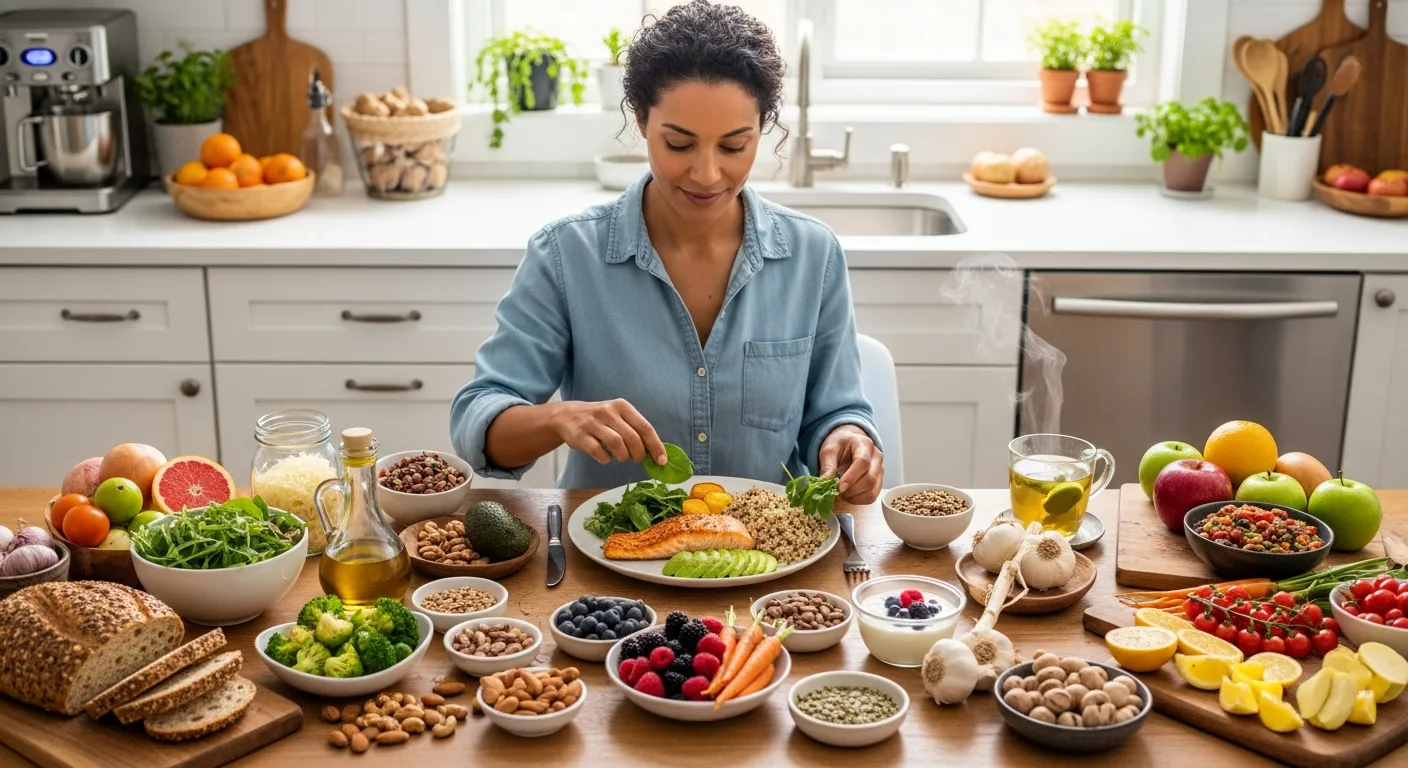
When you look at long-lived populations and large nutrition studies, the same food groups show up again and again. Think of these 20 foods as building blocks for your own long life diet. You don’t need to eat all of them every day, but the more often they appear on your plate, the better.
1. Leafy Greens (Spinach, Kale, Arugula)
Leafy greens are a quiet powerhouse. They’re rich in vitamin K, folate, magnesium, and antioxidants.
Why they matter for longevity:
- Vitamin K and calcium support bone health, which becomes more important as you age.
- Folate supports brain and heart health.
- Antioxidants help reduce oxidative stress linked to aging and chronic disease.
Aim for at least one big handful a day, in salads, sautés, smoothies, or tossed into soups.
2. Broccoli and Other Cruciferous Veggies
Broccoli, Brussels sprouts, cabbage, and cauliflower contain special plant compounds (like sulforaphane) that have been studied for their potential to protect cells, support detox pathways, and reduce inflammation.
Regular intake of cruciferous vegetables is associated with lower risk of heart disease and some cancers in observational studies.
Try to include them several times per week: roasted, steamed, or finely chopped into bowls.
3. Berries (Blueberries, Strawberries, Raspberries)
Berries are some of the most researched “longevity foods.“ They’re loaded with polyphenols and vitamin C.
What they can support:
- Brain health and memory
- Heart health and blood vessel function
- Blood sugar balance (when eaten whole, not as juice)
A long life diet often includes a small serving of berries most days, fresh or frozen.
4. Colorful Vegetables (Peppers, Carrots, Beets)
Red, orange, yellow, and purple veggies are packed with different antioxidants and carotenoids.
These compounds help your body manage oxidative stress, which is one of the underlying processes of aging.
Add variety by:
- Tossing roasted carrots and beets into grain bowls
- Snacking on bell pepper strips
- Adding mixed veggies to stir-fries and soups
5. Legumes (Beans, Lentils, Chickpeas, Peas)
In many so-called “Blue Zones”, regions where people often live into their 90s and beyond, legumes are a daily staple.
Research has found that eating legumes just twice a week may cut colon cancer risk by around 50%. They also support heart health, gut health, and steady energy.
Easy ways to use them:
- Lentil soup or chili
- Hummus with veggies
- Black beans in tacos, bowls, or salads
6. Whole Grains (Oats, Quinoa, Brown Rice, Barley)
Large studies show that people who eat more whole grains (instead of refined grains) tend to have lower rates of heart disease, type 2 diabetes, and early death.
Whole grains bring:
- Fiber for gut and heart health
- B vitamins for energy metabolism
- Minerals like magnesium and iron
Think: steel-cut oats for breakfast, quinoa instead of white rice, or whole-grain bread with real, recognizable ingredients.
7. Fatty Fish (Salmon, Sardines, Mackerel)
Fatty fish are rich in omega-3 fatty acids (EPA and DHA), which support:
- Heart health (lower risk of heart attack and stroke)
- Brain function and mood
- Healthy inflammation levels
Aim for 2–3 servings per week if you eat animal products. If you’re plant-based, you can focus on algae-based omega-3 supplements and omega-3-rich seeds (more on that next).
8. Olive Oil (Especially Extra-Virgin)
Extra-virgin olive oil is a hallmark of the Mediterranean diet, which has one of the strongest evidence bases for longevity and heart protection.
It offers:
- Monounsaturated fats that support heart health
- Antioxidant and anti-inflammatory compounds
Use it as your main cooking and dressing fat: drizzle on salads, roasted veggies, and even soups.
9. Nuts (Walnuts, Almonds, Pistachios, Hazelnuts)
People who eat nuts regularly tend to have lower risks of heart disease and all-cause mortality in long-term studies.
Nuts give you:
- Healthy fats
- Plant protein
- Fiber and minerals (like magnesium)
A small handful a day (about 1 ounce) as a snack or topping is enough. Go for unsalted or lightly salted, and mind portion sizes, they’re energy-dense.
10. Seeds (Chia, Flax, Hemp, Pumpkin)
Seeds are like nutrient-dense sprinkles for your long life diet.
They provide:
- Healthy fats (including plant-based omega-3s in chia and flax)
- Fiber for digestion and blood sugar support
- Minerals like zinc and magnesium
Stir them into yogurt, oatmeal, smoothies, or sprinkle over salads.
11. Fermented Foods (Yogurt, Kefir, Sauerkraut, Kimchi)
Your gut microbiome, the trillions of microbes living in your digestive tract, influences digestion, immunity, and even mood. Fermented foods help feed and support a diverse microbiome.
Regular intake is linked with:
- Better digestion
- Lower inflammation markers in some studies
Add small daily servings: a spoonful of sauerkraut, a glass of kefir, or unsweetened yogurt with fruit.
12. Tomatoes (Fresh and Cooked)
Tomatoes are rich in lycopene, an antioxidant linked to heart and prostate health in observational research.
Fun fact: cooking tomatoes with olive oil can help your body absorb more lycopene.
Include them in sauces, salads, soups, and salsas.
13. Garlic and Onions
Garlic and onions are part of the allium family and contain sulfur compounds with potential immune and heart benefits.
They may help support:
- Healthy blood pressure and cholesterol levels
- Gut health (as prebiotic fibers)
Use them as a flavor base for soups, stews, stir-fries, and roasted dishes.
14. Green Tea (and Other Unsweetened Teas)
While not a “food,“ green tea deserves a spot on a long life diet list.
It’s rich in catechins, antioxidants associated with:
- Heart health
- Metabolic health
- Possibly lower risk of certain cancers (based on observational data)
Replace sugary drinks with unsweetened tea to get benefits without blood sugar spikes.
15. Citrus Fruits (Oranges, Grapefruit, Lemons)
Citrus fruits provide vitamin C, flavonoids, and fiber (when you eat the whole fruit).
They support:
- Immune function
- Blood vessel health
Have an orange as a snack, squeeze lemon over fish and veggies, or add grapefruit segments to salads (check with your doctor if you’re on medications that interact with grapefruit).
16. Apples and Pears
Simple, everyday fruits like apples and pears often get overlooked, but they’re rich in fiber and polyphenols.
Eating them regularly is linked with lower risk of:
- Stroke
- Type 2 diabetes
Grab one as an easy on-the-go snack instead of something ultra-processed.
17. Avocado
Avocados are high in monounsaturated fats, fiber, and potassium.
Research suggests that swapping saturated fats (like butter) for unsaturated fats (like avocado) can improve cholesterol profiles and support heart health.
Add a few slices to salads, bowls, or whole-grain toast. You don’t need a whole avocado every time, half often does the trick.
18. Mushrooms
Mushrooms contain unique compounds (like ergothioneine) that may help fight oxidative stress. Some studies link higher mushroom intake with lower risk of premature death, though more research is needed.
They’re also a great way to add umami flavor and reduce the amount of meat in recipes.
Try them sautéed, roasted, or chopped into sauces and burgers.
19. Herbs and Spices (Turmeric, Rosemary, Oregano, Ginger)
Herbs and spices are concentrated sources of plant compounds with antioxidant and anti-inflammatory properties.
For example:
- Turmeric (with black pepper) may support joint and brain health.
- Rosemary and oregano are rich in antioxidants.
- Ginger supports digestion and may ease nausea.
Use them generously to flavor food, helping you rely less on salt and sugar.
20. Plain Water (Plus Sparkling and Herbal Infusions)
Hydration is an overlooked part of any diet for longevity. Proper fluid intake supports:
- Healthy blood pressure and circulation
- Kidney function
- Digestion and energy
Most adults do well with around 6–8 cups a day, more if you’re very active or live in a hot climate. If plain water bores you, add lemon slices, herbs, or choose unsweetened sparkling water.
How to Turn These Foods Further into a Long Life Diet
You don’t need to overhaul everything at once. Start by:
- Building your plate around plants: fill at least half your plate with vegetables and some fruit daily.
- Choosing whole over refined: whole grains, whole fruits, and minimally processed foods most of the time.
- Making healthy fats your default: olive oil, nuts, seeds, avocado, and fatty fish if you eat animal foods.
- Limiting ultra-processed foods: especially sugary drinks, processed meats, and heavily refined snacks.
The long life diet is less about perfection and more about patterns over time. What you eat most days, for years, is what really shapes your health trajectory.
Get Started With Your Longevity Diet Today
A long life diet isn’t a strict rulebook, it’s a pattern that quietly supports you in the background of your busy life.
Across Mediterranean-style diets, plant-forward eating, and other longevity research, the same picture keeps emerging: people who live longer, healthier lives tend to eat mostly whole, minimally processed foods, with a strong emphasis on plants. They’re not perfect. But over years and decades, they choose vegetables, fruits, legumes, whole grains, nuts, and healthy fats far more often than they choose fast food, sugary drinks, and highly processed snacks.
You don’t need to chase every new trend. Instead, you can:
- Add one or two longevity foods to your next grocery list.
- Build one simple “go-to” meal that hits the basics (for example: leafy greens + beans or lentils + whole grain + olive oil + herbs).
- Focus on consistency, not strict rules.
If you think of your diet as a daily vote for the future you want, energetic, clear-minded, and capable, these 20 foods are some of the most powerful votes you can cast. Start where you are, make a small upgrade this week, and let your long life diet grow with you over time.