

Cold showers are often dreaded.
But, as the world moves toward holistic wellness strategies, one practice that’s gaining traction is cold shower therapy. You might be surprised to learn that exposing your body to cold water, often dubbed a simple yet powerful regimen, can improve your physical and mental well-being. Really?
This article dives into what cold shower therapy is, its benefits, potential risks, and how to start safely, all while equipping you with the knowledge to make this invigorating practice a part of your daily routine.
What Is Cold Shower Therapy?
Cold shower therapy involves exposing your body to cold water, typically at temperatures below 60°F (15°C), for a duration of two to three minutes. While it may sound daunting, this practice has roots in ancient healing traditions and is recognized in modern wellness circles as an effective method for boosting health. The cold exposure triggers a cascade of physiological responses that can lead to various therapeutic effects.
When you subject your body to cold water, it initially constricts blood vessels, a process known as vasoconstriction. This is followed by a period of vasodilation when the blood vessels expand once you’re back to a normal temperature, leading to improved circulation and nutrient delivery to your tissues.
But the benefits go beyond just physical effects: many people report enhanced mood and increased energy levels post-shower. As you dive deeper into the practice, you’ll uncover more about its health advantages in the next section.
Benefits of Cold Showers
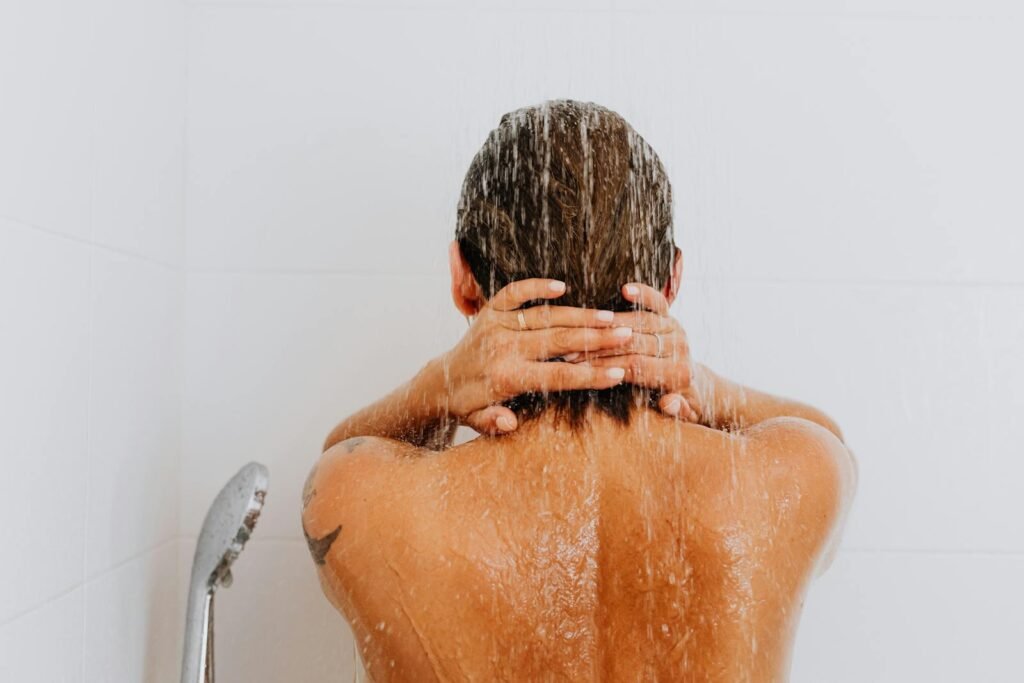
Cold showers offer a myriad of benefits backed by research. Let’s explore some of the most noteworthy advantages:
- Boosted immunity: Cold exposure has been shown to stimulate your immune system, leading to an increase in white blood cell counts. One study found a 29% reduction in sick days among participants who regularly practiced cold exposure. This response helps your body ward off illnesses more effectively.
- Improved circulation: As mentioned, the cycle of vasoconstriction and vasodilation improves blood flow. This not only helps your muscles recover faster but also enhances overall cardiovascular health.
- Reduced inflammation and muscle soreness: After intense workouts, cold showers can help alleviate muscle soreness and flush toxins from your body, thanks to the constricted vessels. You’ll feel refreshed and recover more quickly.
- Mood enhancement: Cold showers can help uplift your spirits by releasing endorphins, the ‘feel-good’ hormones. Regular exposure may even decrease depression symptoms and alleviate anxiety.
- Skin health and metabolism: Cold water tightens your pores, helping to maintain healthy skin. Also, it may slightly boost your metabolism, aiding in weight management over time.
Incorporating cold showers into your routine can bring these promising benefits, making you feel revitalized and alert.
The Risks
While cold showers are generally considered safe for most individuals, there are some risks to keep in mind:
- Heart conditions: For individuals with pre-existing heart conditions, the sudden shock of cold water can spike blood pressure, potentially leading to complications.
- Cold urticaria: This condition can cause hives and allergic reactions to cold exposure.
- Raynaud‘s Phenomenon: This disorder affects blood flow to certain parts of your body, usually fingers and toes, triggering extreme sensitivity to cold.
- Hypertension: Those with high blood pressure should consult a doctor before starting a cold shower regimen.
- Open wounds & pregnancy: If you have open wounds or are pregnant, it’s wise to avoid cold baths unless cleared by a medical professional.
It’s crucial to listen to your body and seek advice if you have any medical conditions that could be affected by this practice.
How to Start Safely
Ready to take the plunge into cold shower therapy? Here’s how you can start safely:
- Ease in: If you’re new to cold showers, begin with a warm shower and then gradually reduce the temperature to cold for the last 30-90 seconds.
- Duration: Gradually increase your cold exposure time to 2-3 minutes over the course of 30 days.
- Avoid extremes: Stay away from extremely cold water initially to prevent hypothermia or dizziness. If at any point you feel uncomfortable, it’s perfectly fine to stop.
- Set a routine: Make it a part of your daily routine, perhaps after your regular shower or workout, to help condition your body and mind for the experience.
Go Take That Cold Shower
Cold shower therapy can seem intimidating at first, but the potential benefits for your physical and mental health are well worth the effort. By boosting your immune system, enhancing circulation, and lifting your mood, this simple practice can become a cornerstone of your wellness journey. Remember to start slowly, listen to your body, and enjoy the refreshing burst of energy that follows each invigorating cold shower. Embrace the chill and enhance your life one cold shower at a time.