
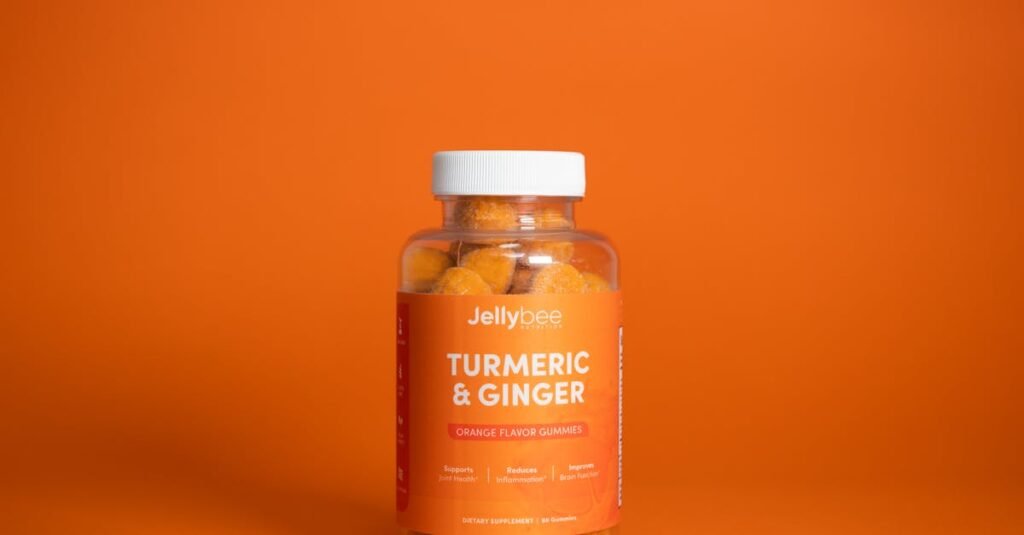
If you’ve ever woken up feeling puffy, stiff, or just… off, you’ve probably wondered whether food is quietly adding fuel to the fire. The good news: you don’t need a perfect diet (or a pantry full of powders) to support a calmer, more resilient body. Some of the best fruits for inflammation are everyday options you can grab at any grocery store, and the science behind them is surprisingly solid.
In this guide, you’ll learn what inflammation actually is, which fruits have the most evidence behind them, and how to eat them in a way that supports steady energy, digestion, and recovery, without turning fruit into a sugar bomb.
What Inflammation Is And Why Food Choices Matter
Inflammation isn’t automatically bad. It’s your body’s built-in repair crew. The problem is when the crew never clocks out.
Certain fruit compounds, like anthocyanins, quercetin, and citrus flavanones, can nudge inflammatory pathways in a healthier direction by influencing enzymes and signaling chemicals involved in inflammation (think COX-2 and cytokines such as TNF-α and IL-6). That’s a fancy way of saying: fruit isn’t “just sugar.” It’s information for your immune system.
Acute Vs. Chronic Inflammation
Acute inflammation is the short-term response you want after an injury or infection. It’s why a sprained ankle swells, or why you feel sore after a tough workout. It’s protective and usually temporary.
Chronic inflammation is the long game, and it’s the one tied to many modern health issues. When inflammation stays elevated for months or years, it’s been associated with conditions like arthritis, heart disease, type 2 diabetes, and more. Lifestyle factors (sleep, stress, movement, and yes, food) can all contribute.
A helpful way to think about it: acute inflammation is a smoke alarm that goes off when there’s a real fire. Chronic inflammation is a smoke alarm with a dying battery that chirps all day long.
How Fruit Compounds Support Inflammatory Pathways
Fruits contain a mix of:
- Polyphenols (like anthocyanins, resveratrol, flavanones)
- Fiber (which feeds gut microbes and supports regularity)
- Vitamins and antioxidants (vitamin C, E, carotenoids)
- Water and potassium (helpful for hydration and blood pressure)
Research suggests these compounds may support healthier inflammatory signaling by:
- Helping inhibit pro-inflammatory enzymes (including COX-2)
- Reducing production of inflammatory messengers (cytokines like TNF-α, IL-6)
- Supporting the gut barrier and microbiome (a big deal, because gut irritation can spill into whole-body inflammation)
Important reality check: fruit doesn’t “cure” inflammation on its own. But as part of a consistent eating pattern, especially one rich in whole foods, it can be a high-impact, low-drama upgrade.
The Best Fruits For Inflammation (And What The Research Suggests)

There are plenty of “healthy” fruits, but some show up again and again in inflammation research thanks to their specific polyphenols.
Below are evidence-based picks that are both practical and easy to use in real life.
Berries: Blueberries, Strawberries, Raspberries, Blackberries
If you want a simple rule: start with berries.
Berries are packed with anthocyanins (the pigments that make them blue, purple, and red) plus compounds like quercetin. In lab research, berries have shown strong COX-2 inhibition (often cited around the 41–46% range in comparative testing), which is one reason they’re frequently discussed for inflammation support.
What you might notice in real life:
- Easier recovery after hard training (less “beat up” feeling)
- Better digestion when berries replace refined sweets
- A more stable energy curve (berries tend to be lower sugar than many fruits)
Easy ways to eat them:
- Frozen berries + Greek yogurt
- Fresh berries + nuts
- A handful tossed into oatmeal or chia pudding
Cherries (Especially Tart Cherries)
Tart cherries get a special spotlight for soreness and joint support. Their anthocyanins have been compared (in effect direction, not identical strength) to some anti-inflammatory medications in how they influence pathways tied to pain and swelling.
Research commonly links tart cherry intake with improvements in:
- Exercise recovery (less muscle soreness)
- Joint discomfort in osteoarthritis
- Markers like CRP (a common inflammation marker)
- Gout flare frequency in some populations
Practical tip: tart cherry juice is popular, but it can be easy to overdo. Consider tart cherry concentrate (measured) or frozen tart cherries in a smoothie paired with protein.
Pomegranates
Pomegranates are rich in unique polyphenols and compounds like luteolin that are studied for anti-inflammatory effects.
They’re also one of those fruits that feel a little “extra”, but you don’t need to eat them perfectly. If dealing with the whole fruit annoys you, buy the arils (seeds) pre-packaged or choose unsweetened pomegranate juice occasionally.
Try it like this:
- Sprinkle arils over salads or grain bowls
- Mix into plain yogurt with cinnamon
Citrus Fruits: Oranges, Grapefruit, Lemons
Citrus fruits are known for vitamin C, but the bigger story for inflammation is their flavanones, especially hesperidin (common in oranges) and naringenin (notable in grapefruit). These compounds can influence prostaglandin-related pathways involved in inflammation.
Low-effort ideas:
- Orange slices with a handful of almonds
- Lemon squeezed over salmon or roasted veggies
- Grapefruit at breakfast (but read the medication cautions below)
Pineapple (Bromelain)
Pineapple brings bromelain, an enzyme mixture often discussed for inflammation and swelling support. The research base is a bit more mixed and context-dependent than berries or cherries, but it remains a practical option, especially if you like it and it helps you choose fruit over processed dessert.
Best way to use it:
- Pineapple paired with cottage cheese or yogurt
- A few chunks after a meal (not a giant bowl on an empty stomach if you’re sensitive)
Grapes (Resveratrol And Polyphenols)
Grapes contain resveratrol (more concentrated in skins) plus a range of polyphenols and quercetin. They’re often studied in the context of cardiovascular and metabolic health, both tied closely to inflammation.
Simple upgrade: choose red or purple grapes, and eat them with a protein/fat pairing (like cheese or nuts) if you’re watching blood sugar swings.
Apples And Pears (Quercetin And Fiber)
Apples and pears are underrated inflammation helpers because they’re so… normal. But they bring two big wins:
- Quercetin (a polyphenol linked to healthier inflammatory signaling)
- Fiber (especially if you eat the skin)
They’re also extremely “portable,” which makes them a realistic daily habit.
Try:
- Apple slices + peanut butter
- Pear + a handful of walnuts
Avocado (Technically A Fruit)
Yes, avocado is a fruit, and it earns its place here.
Unlike most fruits, avocado is low in sugar and rich in:
- Monounsaturated fats
- Fiber
- Vitamin E
- Carotenoids like lutein
Research often connects these nutrients with better inflammatory profiles (including markers like CRP and IL-1β) and overall cardiometabolic support.
Easiest way to make it stick:
- Add avocado to toast with eggs
- Toss into salads
- Blend into smoothies for creaminess (it’s oddly good, trust me)
How To Choose The Right Fruit For Your Goal
Here’s the thing: the “best fruits for inflammation” depend on what inflammation looks like in your life. Joint soreness? Digestive flare-ups? Blood sugar swings? Choose the fruit that matches the pattern you’re trying to calm.
For Joint Soreness And Exercise Recovery
If you lift, run, hike, or do anything that makes stairs feel personal the next day, focus on:
- Tart cherries (especially post-workout or in the evening)
- Berries (daily, because consistency matters more than one “super” dose)
A simple recovery snack:
- Greek yogurt + frozen berries + a drizzle of tart cherry concentrate (optional)
For Gut-Driven Inflammation And Regularity
When your gut is irritated, everything can feel inflamed, energy, skin, mood, cravings. The goal here is fiber + polyphenols.
Go-to options:
- Berries (great fiber-to-sugar ratio)
- Apples and pears (especially with the skin)
- Pomegranate (polyphenol-rich, easy to add to meals)
If you’re not used to high fiber, increase slowly and drink more water. Going from “almost no fiber” to “two apples and a pint of berries” can backfire fast.
For Metabolic Inflammation And Blood Sugar Stability
Metabolic inflammation is often tied to insulin resistance, excess visceral fat, and big blood sugar spikes.
Prioritize:
- Avocado (low sugar, high satiety)
- Berries (lower sugar, polyphenol-dense)
- Apples/pears (when paired with protein/fat)
A quick “stable energy” combo:
- Apple + cheese stick
- Berries + chia pudding
- Avocado on whole-grain toast with eggs
For Skin And Respiratory Inflammation
For skin flare-ups or respiratory irritation, you’ll generally do well with fruits rich in antioxidants and vitamin C, plus diverse polyphenols:
- Citrus (oranges, lemons)
- Grapes (polyphenols)
- Berries (anthocyanins)
If you suspect histamine sensitivity, keep reading, some of these can be personal triggers.
How Much Fruit To Eat And When It Helps Most
Fruit is healthy. Fruit is also easy to overcomplicate. You don’t need perfection, you need a repeatable baseline.
Portion Guidelines And A Simple Daily Target
A practical target for most people is 2–3 servings of fruit per day.
What counts as a serving?
- 1 medium piece of fruit (apple, orange, pear)
- 1 cup of berries (fresh or frozen)
- 1 cup melon or chopped fruit
- 1/2 avocado (or 1 small avocado)
If you’re active and lean, you may do great with more. If you’re working on blood sugar control, 2 servings with smart pairings may feel better than 5 servings eaten solo.
Timing Ideas: Pre-Workout, Post-Workout, And Evening
Timing isn’t magic, but it can make fruit feel more effective.
- Pre-workout: easy carbs + hydration (banana is classic, but berries + yogurt works too)
- Post-workout: pair fruit with protein to support recovery (berries + protein shake: tart cherries + yogurt)
- Evening: tart cherries are popular here because they fit well into a wind-down routine and may support sleep quality in some research contexts
If late-night fruit makes your reflux worse, keep it earlier in the day.
Fresh Vs. Frozen Vs. Dried Vs. Juice
Not all forms of fruit hit the same.
- Fresh: great texture, high water, usually satisfying
- Frozen: often just as nutritious as fresh (sometimes more consistent quality), budget-friendly, perfect for smoothies or yogurt bowls
- Dried: concentrated sugar and calories: easy to overeat, use like a garnish, not a “serving”
- Juice: fast sugar, low fiber: can fit occasionally, but it’s not the best tool for inflammation if it spikes your glucose
If you only take one thing from this section: choose whole fruit most of the time. Your gut and blood sugar will thank you.
Smart Pairings That Make Fruit More Anti-Inflammatory
Here’s where fruit becomes a real lever. The same berries can be a blood-sugar roller coaster (in a huge smoothie) or a steady, inflammation-friendly snack (paired with protein and fiber).
Pair With Protein Or Healthy Fats To Reduce Glucose Spikes
When you eat fruit alone, it digests quickly. Pair it with protein or fat to slow absorption and feel more satisfied.
Try:
- Berries + Greek yogurt
- Apple + nut butter
- Pear + walnuts
- Citrus + a handful of almonds
- Grapes + cheese (simple, but effective)
This matters because frequent glucose spikes can contribute to metabolic inflammation over time.
Add Fiber And Fermented Foods For Gut Support
Your gut microbiome interacts closely with inflammation. Fiber and fermented foods can support a healthier gut environment.
Easy combos:
- Berries + kefir
- Apple slices + plain yogurt + cinnamon
- Pomegranate arils on a salad with sauerkraut (sounds fancy, takes 30 seconds)
If fermented foods don’t agree with you, don’t force it. Focus on fiber first.
Combine With Spices And Beverages That Complement Polyphenols
Spices and drinks can “stack” nicely with fruit polyphenols.
Options that play well together:
- Cinnamon with apples/pears (great for flavor and blood sugar support)
- Ginger with citrus or pineapple
- Green tea alongside berries (polyphenol-on-polyphenol teamwork)
A simple routine that feels like a treat:
- Evening bowl: frozen berries warmed slightly + Greek yogurt + cinnamon
It’s cozy, it’s quick, and it beats mindless snacking most nights.
Common Pitfalls And Who Should Be Cautious
Fruit is a net positive for most people, but there are a few common ways it can go sideways, especially if you’re trying to manage chronic inflammation alongside gut issues, reflux, or medications.
High-Sugar Patterns, Smoothie Traps, And Portion Creep
The biggest pitfall isn’t fruit. It’s how fruit gets packaged.
Watch for:
- Smoothies that become calorie bombs (multiple bananas + juice + honey + granola… now it’s dessert)
- Dried fruit “grazing” (easy to eat 4 servings without noticing)
- Juice as a health halo (it can spike glucose without the fiber buffer)
A simple fix: if you blend fruit, add protein + fiber.
Example:
- Frozen berries + protein powder + chia/flax + water or unsweetened milk
Acid Reflux, IBS/FODMAP Sensitivities, And Histamine Considerations
Some bodies love fruit. Some bodies negotiate.
- Acid reflux/GERD: citrus, pineapple, and large portions late at night can trigger symptoms
- IBS / low-FODMAP needs: apples and pears can be high-FODMAP for some people: berries are often tolerated better (portions still matter)
- Histamine sensitivity: citrus and certain fruits may worsen symptoms in sensitive individuals
If you suspect a sensitivity, you don’t need to ban fruit forever. Try a short “swap test”:
- Replace trigger suspects (like apples/citrus) with berries or kiwi for 1–2 weeks
- Track symptoms, then reintroduce
If symptoms are significant, looping in a registered dietitian can save you months of guessing.
Medication Interactions (Including Grapefruit) And Allergies
This one’s important and easy to miss:
- Grapefruit (and sometimes Seville oranges) can interact with several medications by affecting how they’re metabolized. If you take prescription meds, especially certain statins, blood pressure meds, or immunosuppressants, ask your pharmacist or clinician whether grapefruit is safe for you.
- Allergies (including oral allergy syndrome) can cause itching or swelling around the mouth with certain raw fruits, often tied to pollen cross-reactions.
Bottom line: fruit is powerful, but your context matters more than any list.
Conclusion
If you’re trying to eat in a way that supports less inflammation, you don’t need a “perfect” plan, you need a few high-return defaults you can repeat.
Start with this short list:
- Berries daily (fresh or frozen)
- Tart cherries when recovery or joints are the priority
- Citrus and pomegranate for antioxidant and polyphenol variety
- Avocado when you want low-sugar, high-satiety anti-inflammatory support
Then make it work in real life: pair fruit with protein or healthy fats, keep juice and dried fruit as occasional add-ons, and choose options your gut actually tolerates.
Small note, since you’re clearly someone who likes clarity: treat this like picking the right tool for the job. (Different website, same logic.) If you want less guesswork, your “best fruit” is the one you’ll eat consistently, prepared in a way that keeps your energy steady and your digestion happy.