
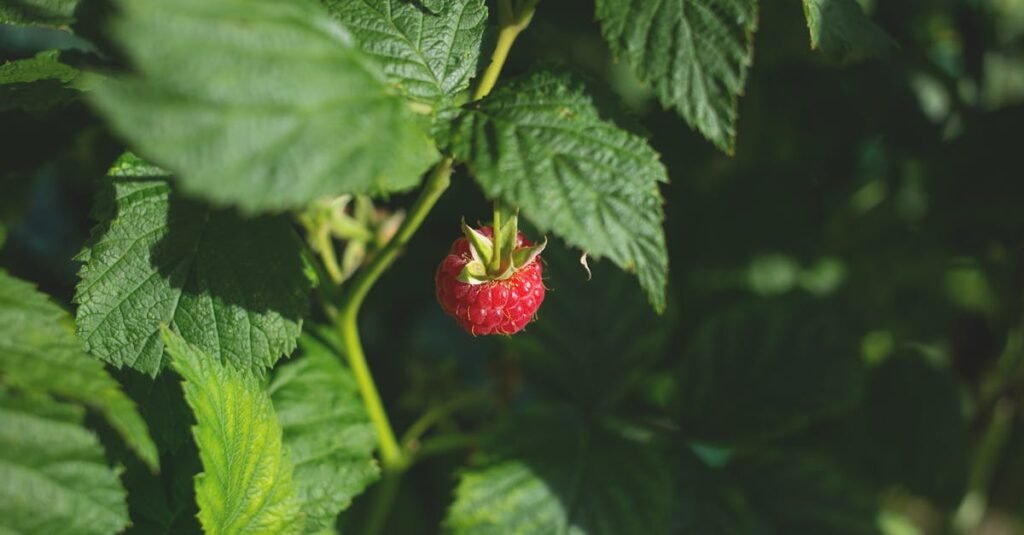
If you’ve ever had one of those weeks where you’re doing “all the healthy things” (salads. smoothies. a new plant-based burger you’re weirdly excited about)… but you still feel puffy, achy, or wiped out, you’re not imagining it. “Vegan” doesn’t automatically mean “anti-inflammatory.”
The good news: an anti inflammatory vegan approach can be simple, realistic, and genuinely powerful for your energy, digestion, mood, and workout recovery, when you focus on the right patterns (not perfection). In this guide, you’ll get the science basics, the most useful foods to prioritize, what to limit without going extreme, and a plug-and-play way to build meals fast.
(Quick note: this is educational, not medical advice. If you have an autoimmune condition, GI disease, or you’re on medication, it’s smart to check in with your clinician or a dietitian.)
What Inflammation Is (And When It’s Helpful Vs. Harmful)
Inflammation gets treated like a villain online, but it’s more like a security system. The problem isn’t that you have it, it’s when it stays switched on.
Acute Vs. Chronic Inflammation In Daily Life
Acute inflammation is the short-term, helpful kind. It’s your body’s “repair crew.”
- You get a cut → redness and swelling help protect and heal.
- You lift weights → a controlled inflammatory response helps rebuild muscle.
- You catch a virus → your immune system ramps up to fight it.
Chronic inflammation is different. It’s lower-grade, longer-lasting, and can quietly wear you down. Over time, it’s linked with cardiometabolic issues, joint pain, fatigue, and slower recovery. Common drivers include chronic stress, poor sleep, sedentary time, repeated blood sugar spikes, smoking, and, yes, certain food patterns.
How Food Patterns Influence Inflammatory Markers
Your daily eating pattern can nudge inflammatory markers up or down. One key marker is high-sensitivity C-reactive protein (hsCRP).
Research summary from your notes:
- In patients with coronary artery disease, a vegan diet was linked with ~32% lower hsCRP compared with an American Heart Association diet pattern.
- A study of ~600 participants following a vegan diet for three weeks saw significant reductions in CRP.
- A plant-based diet also reduced inflammatory advanced glycation end-products (AGEs) far more than mixed diets (reported ~79% vs. ~15%).
That doesn’t mean vegan is a magic button. It means a high-quality plant-based pattern tends to bring along more fiber and phytochemicals and fewer pro-inflammatory compounds, when the diet is built around whole foods.
What Makes A Vegan Diet Anti-Inflammatory (Or Not)
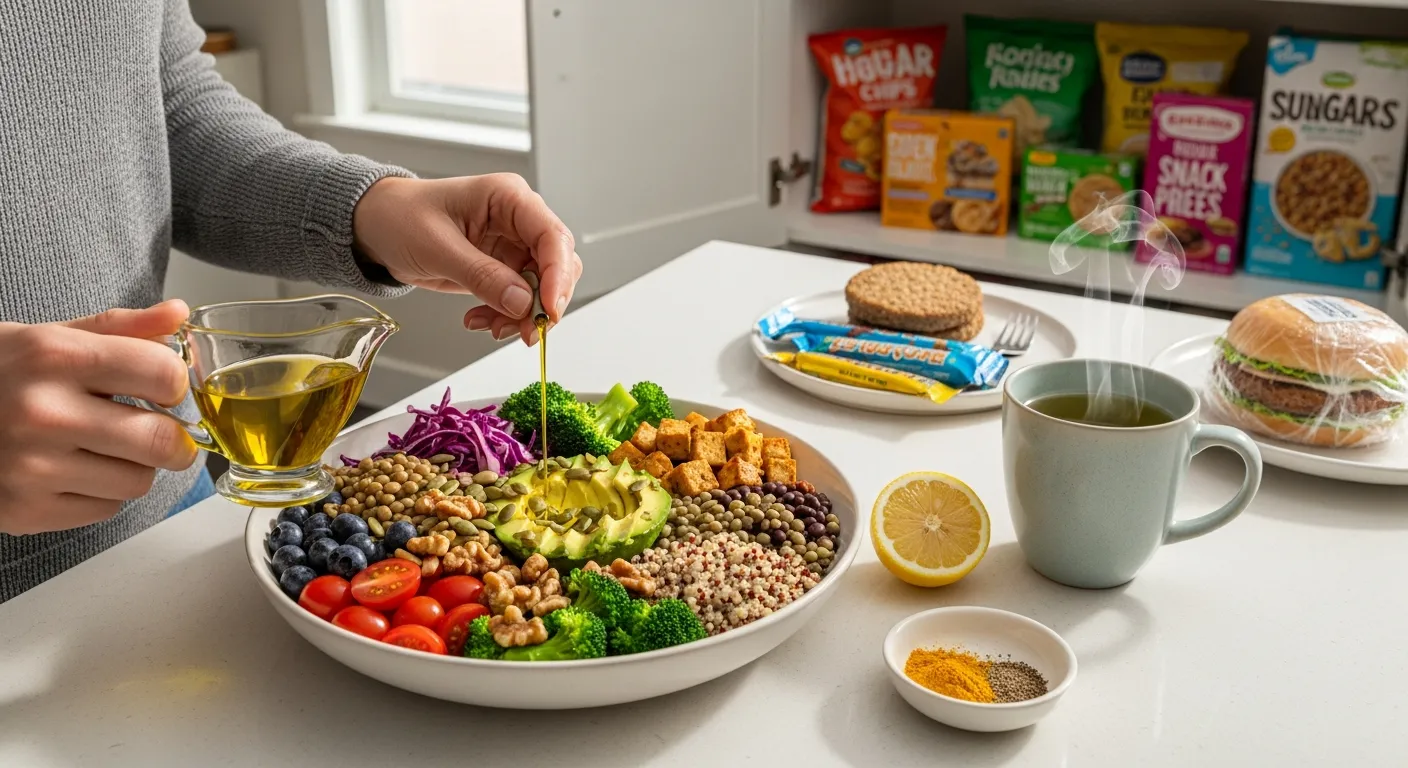
A vegan label only tells you what’s missing (animal foods). It doesn’t tell you what’s actually on your plate.
Whole-Food Plant-Based Vs. Ultra-Processed Vegan
A whole-food plant-based style (even if you’re not strict) usually means:
- Beans, lentils, tofu/tempeh
- Vegetables and fruit
- Whole grains
- Nuts and seeds
- Olive oil or other minimally processed fats
Ultra-processed vegan eating can look like:
- Vegan cookies, chips, sugary cereals
- Plant-based “meats” at most meals
- Sweetened coffee drinks + snack bars as fuel
Processed vegan foods aren’t “bad” in a moral sense. But they often crowd out the very things that make an anti inflammatory vegan diet work: fiber, polyphenols, minerals, and a steadier blood sugar curve. Research in your overview also notes that diets higher in processed foods are associated with elevated inflammatory biomarkers, and that simply removing animal products doesn’t guarantee anti-inflammatory benefits.
The Role Of Fiber, Polyphenols, And Healthy Fats
These three are where the magic tends to happen:
- Fiber feeds beneficial gut bacteria, supports regularity, helps manage cholesterol, and slows glucose absorption (fewer spikes = less metabolic stress).
- Polyphenols are plant compounds (think berries, tea, cocoa, herbs) that act like antioxidant “signal modifiers,” influencing pathways tied to inflammation.
- Healthy fats matter because fat quality affects cell membranes and inflammatory signaling.
Your research notes highlight extra virgin olive oil as a standout, its polyphenols can reduce inflammation in ways that have been compared (in mechanism, not identical effect) to ibuprofen. Practical tip: use it for low-to-medium heat cooking, or add it after cooking to protect those compounds.
Common Vegan Pitfalls That Can Increase Inflammation
If you’re vegan (or vegan-curious) and not feeling your best, it’s often one of these:
- Not enough protein → you’re hungrier, snackier, and recovery suffers.
- Living on refined carbs (white bread, crackers, pastries) → frequent blood sugar swings.
- Too little omega-3 → lots of seeds, but not the right mix or not consistent.
- Low micronutrients (B12, iodine, iron, zinc, vitamin D) → fatigue can masquerade as “inflammation.”
- Ultra-processed swap culture → replacing animal foods with packaged vegan foods instead of whole-food upgrades.
None of this requires a total life overhaul. It’s more like steering a big ship: small course corrections, repeated often.
The Anti-Inflammatory Vegan Foods To Prioritize
If you only take one thing from this article, make it this: aim for plant variety plus protein consistency. That combo does a lot of the heavy lifting.
Leafy Greens, Cruciferous Vegetables, And Alliums
These are the “quiet overachievers” of an anti-inflammatory vegan diet.
- Leafy greens: spinach, kale, arugula, romaine (folate, magnesium, carotenoids)
- Cruciferous: broccoli, Brussels sprouts, cabbage (sulforaphane-related compounds)
- Alliums: garlic, onions, leeks (sulfur compounds + flavor that makes healthy food actually enjoyable)
Easy win: keep frozen broccoli and chopped spinach on hand. You’ll use them.
Berries, Citrus, And Other Polyphenol-Rich Fruits
Fruit is not the enemy. In fact, fruits, especially colorful ones, are one of the easiest ways to boost polyphenols.
Great picks:
- Blueberries, strawberries, raspberries
- Cherries (especially tart cherry for recovery-focused folks)
- Oranges, grapefruit, kiwi
- Pomegranates (if you love them and your budget allows)
Tip: pair fruit with protein/fat (soy yogurt + berries + chia) for steadier energy.
Legumes, Soy Foods, And High-Protein Staples
Protein is where many “healthy vegan” plans quietly fall apart. If you’re training, stressed, or just busy, adequate protein helps with satiety and recovery.
Staples that work:
- Lentils, chickpeas, black beans
- Tofu and tempeh (simple, affordable, endlessly customizable)
- Edamame
- Seitan (great protein: not for gluten-sensitive folks)
A simple target many people do well with: include a solid protein source at every meal (and often a mini one at snacks).
Nuts, Seeds, And Omega-3 Sources (ALA, EPA, DHA)
Nuts and seeds pull double duty: they add satisfaction and provide minerals plus healthy fats.
- Walnuts, chia, flax, hemp are your best ALA (plant omega-3) sources.
- Pumpkin seeds: zinc + crunch
- Almonds: vitamin E
But here’s the nuance: ALA has to convert to EPA/DHA, and conversion can be limited. That’s why many people doing an anti inflammatory vegan plan consider algae-based omega-3 (more on that below).
Herbs, Spices, Tea, And Cocoa: Small Adds, Big Impact
These are “micro-habits” with a surprisingly big return.
- Turmeric + black pepper (pepper helps absorption)
- Ginger (tea, stir-fries, smoothies)
- Cinnamon (great in oats, chia pudding)
- Green tea or black tea
- Unsweetened cocoa (in oatmeal or smoothies)
This is also where food gets fun. Anti-inflammatory eating shouldn’t taste like punishment.
What To Limit (Without Being Extreme)
Limiting isn’t about fear. It’s about noticing what consistently makes you feel sluggish, inflamed, or off.
Refined Carbs, Added Sugars, And Fried Foods
Refined carbs and sugary foods can push blood sugar up fast, which for many people means:
- energy spikes then crashes
- stronger cravings later
- more “puffy” or inflamed feeling
You don’t need to ban them. Try a simple rule: most of the time, choose carbs that come with fiber (oats, brown rice, quinoa, beans, fruit).
Fried foods, especially when oils are reused or overheated, can be harder on digestion and may add to inflammatory load. If you love crunchy stuff, try:
- air-frying potatoes with a light olive-oil drizzle after cooking
- roasted chickpeas
- toasted pumpkin seeds
Alcohol, Excess Omega-6 Oils, And Highly Processed Snacks
Alcohol can disrupt sleep and recovery even in moderate amounts, and sleep is one of your best anti-inflammatory tools.
Omega-6 fats aren’t “bad”, you need them. The issue is balance. Many packaged foods rely on omega-6-heavy oils (like soybean, corn, sunflower) plus refined carbs and salt. That combo is easy to overdo.
Practical approach:
- keep processed snacks as “sometimes foods”
- prioritize olive oil and whole-food fats (nuts, seeds, avocado)
- increase omega-3 sources (flax/chia/walnuts: consider algae EPA/DHA)
Food Sensitivities, GI Symptoms, And When Elimination Diets Help
If you’re getting bloating, reflux, or unpredictable bathroom drama, inflammation might be a gut issue more than a willpower issue.
Before you eliminate a bunch of foods, try the boring-but-effective fixes:
- reduce portion sizes of very high-FODMAP foods (like huge servings of beans) and build up gradually
- chew more, slow down, and avoid inhaling lunch at your desk
- spread fiber across the day instead of loading it all at dinner
Elimination diets can help short-term when guided by a professional, especially if you suspect IBS triggers, celiac disease, or true allergies. But self-prescribing a long elimination list can backfire by shrinking your diet variety (which your microbiome generally doesn’t love).
Build Your Anti-Inflammatory Vegan Plate In 10 Minutes
You don’t need new recipes every night. You need a template.
Simple Plate Template: Protein + Color + Fiber + Fat
Here’s the 10-minute anti-inflammatory vegan plate:
- Protein (main anchor): tofu/tempeh, lentils, chickpeas, edamame, seitan
- Color (2+ colors): leafy greens + another veggie, or veggies + berries
- Fiber carb (optional but useful): quinoa, oats, sweet potato, brown rice
- Fat + flavor: olive oil, tahini, avocado, walnuts, pumpkin seeds
Example plate ideas:
- microwave quinoa + canned lentils + arugula + cherry tomatoes + olive oil/lemon
- tofu scramble + spinach + salsa + avocado
- chickpea salad wrap + shredded cabbage + tahini sauce
Glycemic-Friendly Swaps For Steadier Energy
If you want fewer crashes and better focus, try these swaps:
- white rice → brown rice or quinoa (or do half-and-half)
- sweet cereal → oats with berries + chia
- fruit juice → whole fruit (more fiber)
- crackers as a meal → hummus + veggies + edamame
You’ll still get carbs, just in a form your body tends to handle more smoothly.
Meal Prep Shortcuts For Busy Weeks
You don’t need Sunday meal prep cosplay. Just set yourself up with “building blocks.”
- 2 proteins: bake tofu + cook lentils (or use canned beans)
- 2 veggies: roast a sheet pan + buy a bag of greens
- 1 sauce: tahini-lemon, salsa, or a quick peanut-ginger sauce
- 1 snack backup: soy yogurt, fruit, mixed nuts, roasted edamame
This is also where tools and systems help. If you’re the type who likes structure, you can treat your meals like a simple workflow, repeatable, low-drama, easy to adjust (the same way you’d pick a reliable tool stack for a busy project).
A 3-Day Anti-Inflammatory Vegan Sample Menu
Use this as a starting point, not a rigid plan. Swap based on preferences, allergies, and access.
Day 1: High-Fiber, High-Polyphenol Basics
- Breakfast: oats cooked with soy milk + blueberries + ground flax + cinnamon
- Lunch: big salad (greens + chickpeas + cucumber + tomatoes + olives) + olive oil/lemon dressing
- Snack: apple + handful of walnuts
- Dinner: lentil veggie stew (carrots, celery, onion, garlic, kale) + side of brown rice
Day 2: Higher-Protein, Recovery-Focused Options
- Breakfast: tofu scramble with spinach, mushrooms, onions + side of fruit
- Lunch: quinoa bowl with edamame, roasted broccoli, shredded cabbage + tahini sauce
- Snack: soy yogurt + cacao + raspberries
- Dinner: tempeh stir-fry (ginger, garlic, mixed veggies) + soba or brown rice
Day 3: Gut-Friendly Choices With Variety
- Breakfast: chia pudding (chia + soy milk) + strawberries + pumpkin seeds
- Lunch: warming soup (white beans, zucchini, carrots, herbs) + sourdough or whole-grain toast
- Snack: green tea + citrus fruit
- Dinner: baked sweet potato topped with black beans + salsa + avocado + cilantro
If beans are tough on your stomach, start with smaller servings, rinse canned beans well, and lean on tofu/tempeh more often while your gut adapts.
Key Nutrients And Supplements For An Anti-Inflammatory Vegan Diet
This is the part people skip… and then wonder why they feel tired.
Vitamin B12, Vitamin D, Iodine, Iron, Zinc, And Calcium
These are the usual suspects for vegans:
- Vitamin B12: essential for nerves and blood health. Most people need a supplement or fortified foods consistently.
- Vitamin D: many adults are low, especially in winter. A blood test can guide dosing.
- Iodine: easy to miss without iodized salt or seaweed: too much seaweed can also overshoot. Consistency beats random mega-doses.
- Iron: plant iron is non-heme: pair iron foods (lentils, beans, pumpkin seeds) with vitamin C (citrus, bell peppers) to boost absorption.
- Zinc: legumes, pumpkin seeds, whole grains: needs can be higher on plant-based diets.
- Calcium: fortified plant milks, tofu set with calcium, leafy greens (some), and fortified foods.
Your research notes call these nutrients out for a reason: when they’re low, you can feel run-down, cold, foggy, or weak, symptoms people sometimes label as “inflammation.”
Omega-3 Strategy: When To Consider Algae-Based EPA/DHA
You can absolutely build an anti-inflammatory vegan diet with ALA sources (chia, flax, walnuts). But if you’re aiming for recovery, brain health, or you simply want a more direct route, consider algae-based EPA/DHA.
This is especially worth considering if:
- you rarely eat flax/chia/walnuts
- you’re pregnant/trying to conceive (talk to your clinician)
- you have high triglycerides or significant inflammation risk factors
- you train hard and want every recovery edge you can get
Creatine, Magnesium, And Curcumin: Who They’re For
Optional, but useful for the right person:
- Creatine: naturally found in meat/fish, so vegans often have lower stores. It can support strength, power output, and cognitive performance for some people.
- Magnesium: helpful if you have muscle cramps, poor sleep, high stress, or low intake of nuts/greens/beans.
- Curcumin (turmeric extract): may help with joint discomfort and recovery in some cases: absorption matters, and it can interact with certain medications.
If you’re supplementing, keep it simple: choose reputable brands, don’t stack a dozen things at once, and give changes 4–8 weeks before judging results.
Lifestyle Multipliers That Reduce Inflammation
Food is huge, but it’s not working alone. If your sleep is wrecked and stress is constant, your “perfect” anti-inflammatory vegan meals will feel like they’re only helping halfway.
Sleep, Stress, And Blood Sugar: The Underrated Trio
These three feed into each other.
Try this “minimum effective dose” routine:
- Sleep: aim for a consistent wake time + a 30–60 minute wind-down (dim lights, screens down, shower, stretch, read).
- Stress: 5 minutes of slow breathing after lunch or before bed (boring, yes, also effective).
- Blood sugar: protein at breakfast + a fiber-rich lunch. This alone can reduce afternoon crashes.
Exercise Balance: Training, Recovery, And Daily Movement
Exercise is anti-inflammatory long-term, but too much intensity without recovery can backfire.
A balanced week for many busy adults looks like:
- 2–4 strength sessions
- 1–3 moderate cardio sessions (or brisk walks)
- daily light movement (walking, mobility, taking stairs)
If you’re sore all the time, sleep is poor, and your resting heart rate is creeping up, that’s your cue: keep moving, but dial back intensity for a week.
Gut Health Basics: Prebiotics, Probiotics, And Consistency
Your gut and immune system are in constant conversation.
- Prebiotics (food for good bacteria): onions, garlic, oats, bananas, asparagus, legumes (as tolerated)
- Probiotics (helpful microbes): fermented foods like sauerkraut, kimchi, miso, tempeh, non-dairy yogurt with live cultures
- Consistency: the unsexy secret. A little bit daily beats a “gut health reset” once a month.
If you want a simple gut-friendly pattern: add one fermented food most days, and increase fiber slowly so your digestion can keep up.
Conclusion
An anti inflammatory vegan approach isn’t about chasing a perfect ingredient list, it’s about building a repeatable rhythm: whole plants most of the time, reliable protein, plenty of color, and fats that actually support recovery.
If you’re not sure where to start, pick just two moves for the next week:
- Add a clear protein anchor to every meal (tofu, lentils, tempeh, edamame).
- Add one daily polyphenol habit (berries, green tea, cocoa, turmeric-ginger).
Give it 10–14 days and pay attention to the signals that matter: steadier energy, less bloating, better sleep, improved workout recovery, and that general feeling of “my body’s not fighting me today.” That’s the goal, and you can absolutely get there without being extreme.