
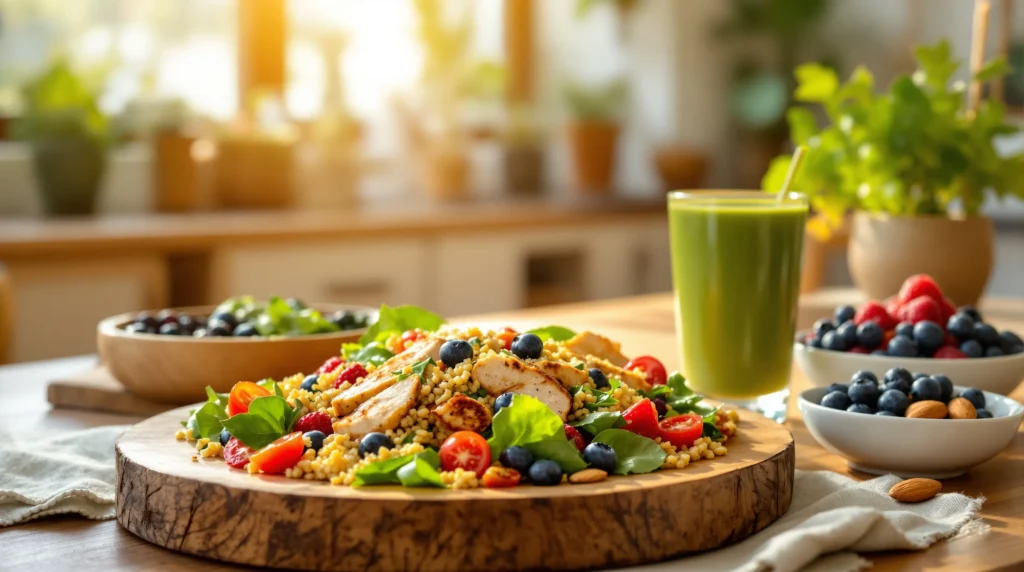
On this planet, inflammation has become an all-too-common issue.
Inflammation is linked to various chronic diseases, including heart disease, diabetes, and even certain cancers. Yet, what if you could combat this subtle enemy with your fork? By choosing the right foods, you can create a powerful defense against inflammation while boosting your overall health. This article delves into anti-inflammatory foods and provides you with a practical meal plan to get started on your wellness journey today.
Recommended Anti-Inflammatory Foods for Wellness
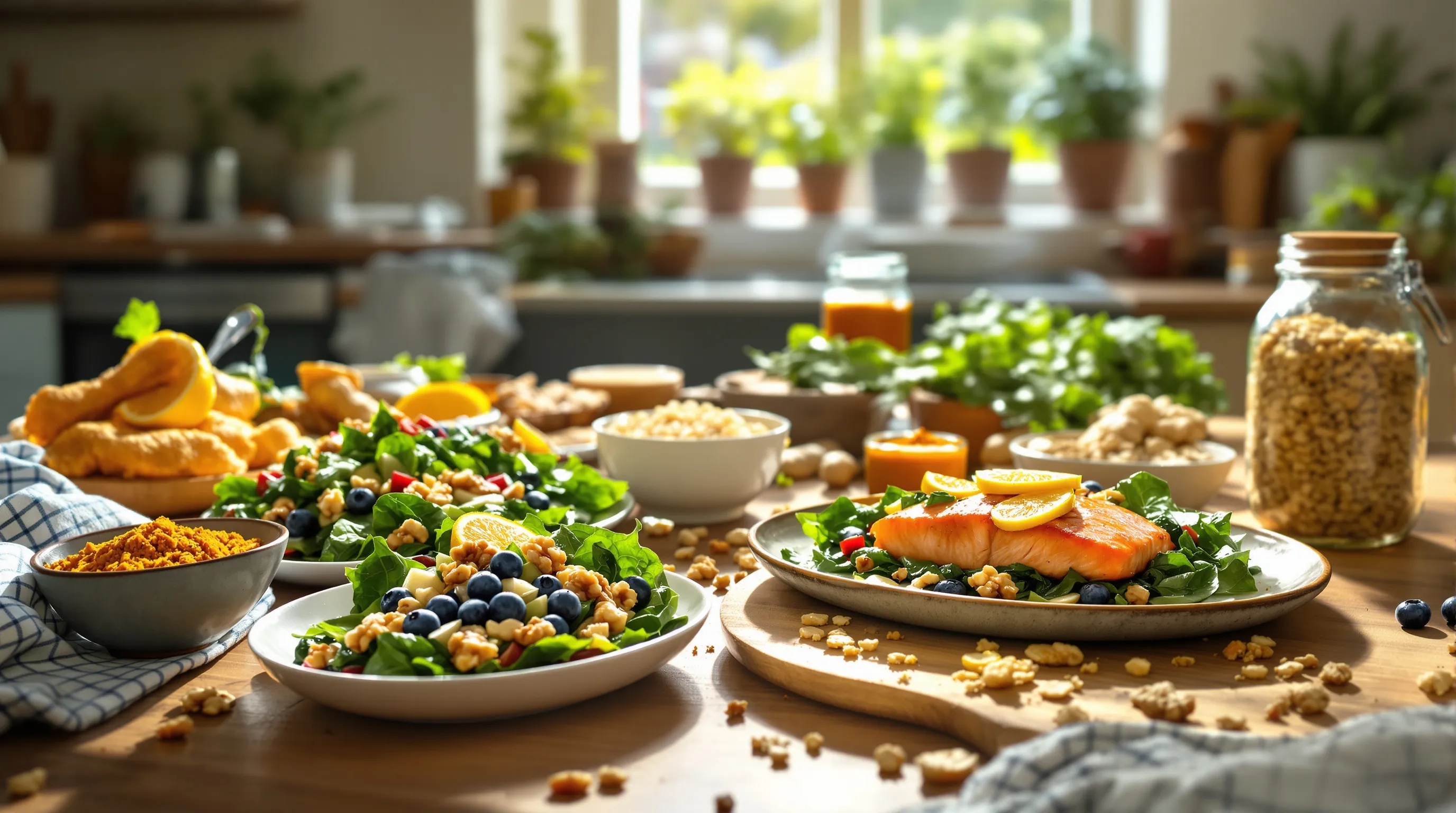
To foster a healthier body and mind, incorporating anti-inflammatory foods in your diet is a smart move. Here are some key items to include:
- Leafy greens: Spinach and kale are not only rich in vitamins but also provide a boost of antioxidants and fiber. They help to reduce oxidative stress and inflammatory markers in the body.
- Fatty fish: Salmon, sardines, and mackerel are essential for their omega-3 fatty acids, which are known for their potent anti-inflammatory properties. Aim for at least two servings per week.
- Berries: Blueberries and raspberries are packed with polyphenols that can help reduce inflammation, particularly C-reactive protein (CRP) and interleukin-6 (IL-6).
- Nuts and seeds: Almonds and walnuts are fantastic sources of healthy fats. Snack on a handful daily to provide your body with anti-inflammatory benefits.
- Whole grains: Opt for quinoa, brown rice, and oats, as they are rich in fiber and can contribute to lower inflammation levels in the body.
- Healthy fats: Olive oil is a staple in Mediterranean diets: its polyphenols can significantly reduce inflammation. Also, spices like turmeric and ginger are known for their anti-inflammatory properties.
- Legumes: Beans and lentils are excellent plant-based sources of protein and fiber, further aiding in inflammation reduction.
Foods to Avoid:
- Processed foods
- Refined sugars and carbohydrates
- Fried foods
- Red and processed meats
Staying clear of these items can significantly assist in reducing biomarkers like CRP and IL-6, supporting heart health, diabetes prevention, and easing symptoms of arthritis.
Your Anti-Inflammatory Meal Plan
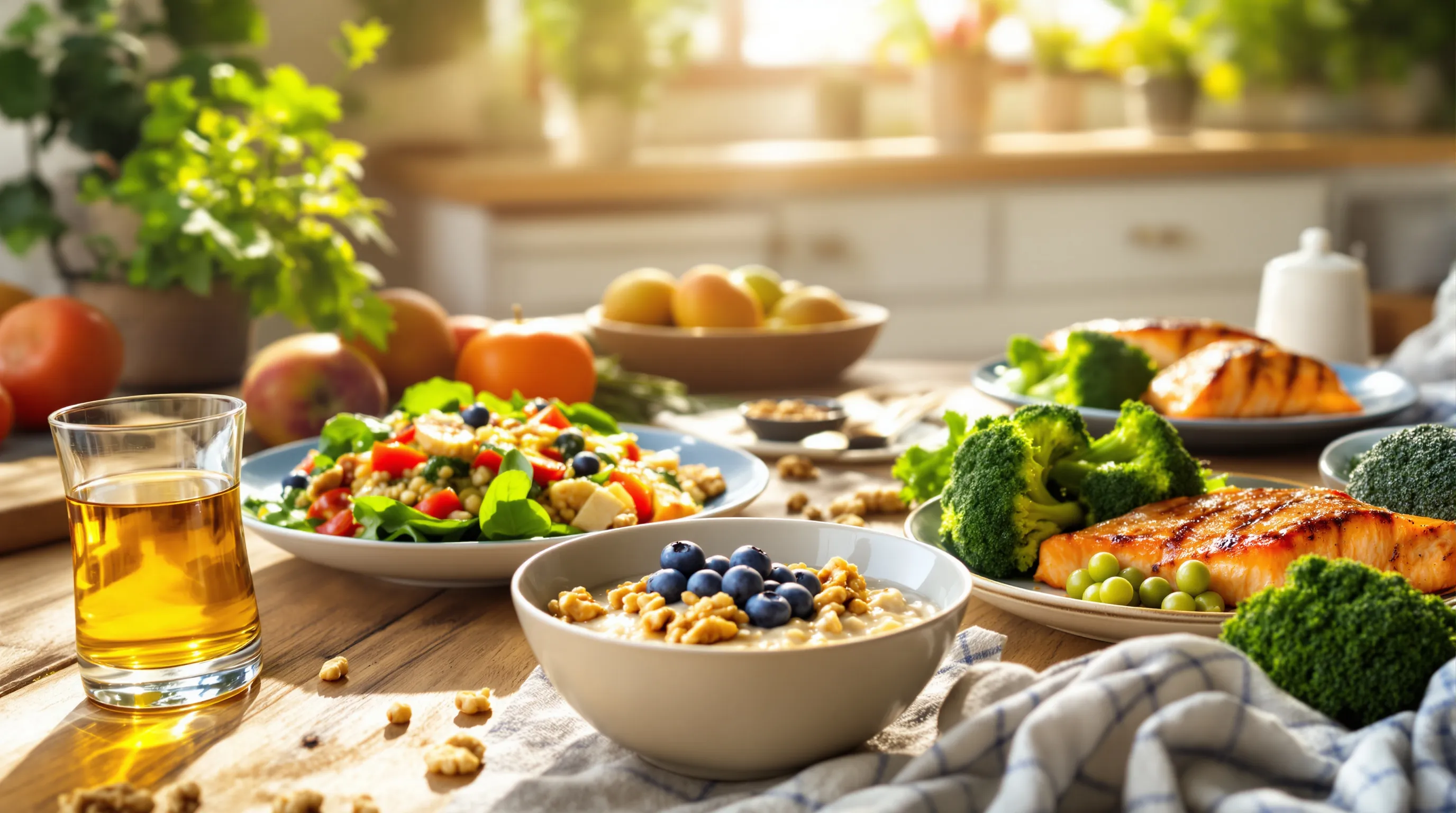
Creating an anti-inflammatory meal plan doesn’t have to be complicated. Here’s a sample 7-day meal plan to get you started. Feel free to repeat or extend it over three weeks, gradually introducing more whole foods.
Day 1:
- Breakfast: Overnight oats topped with berries and walnuts.
- Lunch: Quinoa salad with spinach, cherry tomatoes, and grilled chicken or chickpeas.
- Dinner: Baked salmon with steamed broccoli, drizzled with olive oil.
- Snacks: A handful of almonds or an apple with almond butter.
Day 2:
- Breakfast: Smoothie with spinach, frozen berries, and a scoop of protein powder.
- Lunch: Whole-grain wrap with hummus, mixed greens, and cucumbers.
- Dinner: Stir-fried shrimp with bell peppers and brown rice.
- Snacks: Carrot sticks with olive oil dip or a few squares of dark chocolate.
Day 3:
- Breakfast: Greek yogurt with sliced fruit and a sprinkle of chia seeds.
- Lunch: Lentil soup with a slice of whole-grain bread.
- Dinner: Quinoa stuffed bell peppers with black beans, corn, and spices.
- Snacks: Fresh berries or a small handful of mixed nuts.
Day 4:
- Breakfast: Chia seed pudding made with almond milk and topped with coconut flakes.
- Lunch: Spinach and kale salad with walnuts, feta, and olive oil dressing.
- Dinner: Grilled chicken with roasted sweet potatoes and Brussels sprouts.
- Snacks: Sliced bell peppers with hummus.
Day 5:
- Breakfast: Oatmeal with banana and a sprinkle of cinnamon.
- Lunch: Quinoa tabbouleh salad with parsley, cucumber, and tomatoes.
- Dinner: Baked trout with asparagus and a squeeze of lemon.
- Snacks: A piece of fruit or avocado toast on whole-grain bread.
Day 6:
- Breakfast: Smoothie bowl topped with seeds and fresh fruit.
- Lunch: Beet salad with arugula, goat cheese, and walnuts.
- Dinner: Stuffed zucchini boats with turkey and brown rice.
- Snacks: Roasted chickpeas or a handful of dried fruit.
Day 7:
- Breakfast: Whole grain toast with smashed avocado and poached egg.
- Lunch: Greek salad with cucumbers, olives, and grilled chicken.
- Dinner: Turkey meatballs with spaghetti squash and marinara sauce.
- Snacks: A handful of grapes or a few squares of high-quality dark chocolate.
Hydration and Mindfulness:
Don’t forget to hydrate. Drink water throughout the day and enjoy cups of herbal tea. Practice mindful eating focusing to your hunger cues and savoring your meals. Adjust portions based on your needs and consult with a healthcare provider for personalized adjustments.
Conclusion
Adopting an anti-inflammatory meal plan is more than just a dietary choice: it’s a lifestyle shift toward better health and wellness. By choosing nutrient-dense foods and avoiding those that can cause inflammation, you’re taking proactive steps to enhance your vitality and well-being. Remember, every small change counts. Whether it’s incorporating more leafy greens or adding a serving of fatty fish to your week, progress is what matters. So, embrace this journey with positivity and mindfulness, and the effects will resonate in many aspects of your life.