
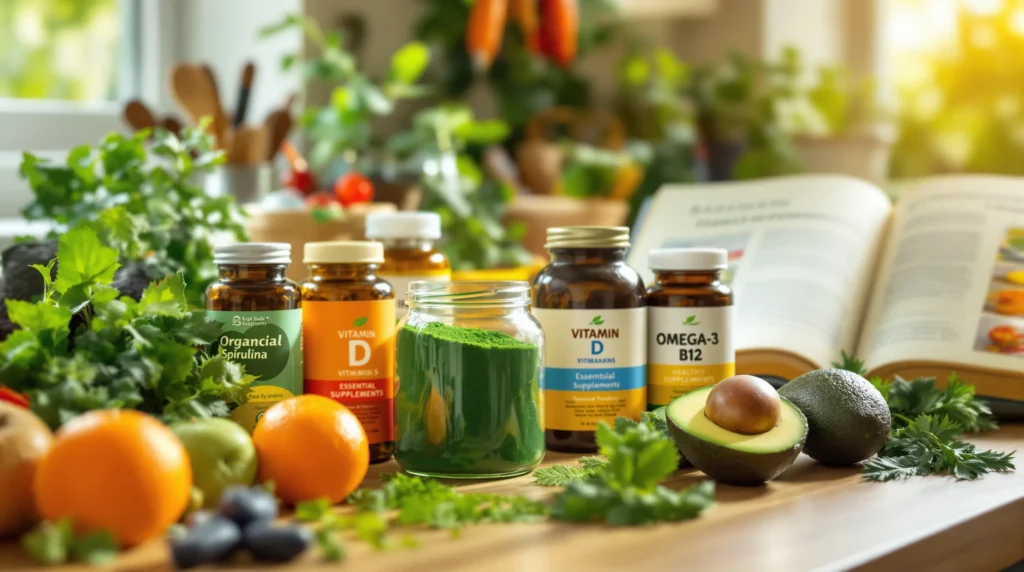
Today, many find themselves balancing demanding careers, family obligations, and personal wellness goals. As you strive to enhance your health and vitality, the question of supplements often arises.
With countless options on the market, it can be overwhelming to decide which ones are worth considering. Sure, there are helpful supplements, but you may actually not need them altogether.
This article aims to simplify your journey towards better health by focusing on the supplements you actually need, those that may offer benefits, and the critical reminder to prioritize whole foods over pills. Let’s jump into the world of supplements, backed by science and practical recommendations.
Supplements You Actually Need

Research indicates that most healthy adults can obtain adequate nutrients through a balanced diet, with minimal benefits from routine supplementation for preventing major health issues like cardiovascular disease and cancer. But, certain groups may benefit from targeted supplementation:
Folic Acid
Best for: Pregnant women
Folic acid is crucial before and during early pregnancy as it helps prevent neural tube defects in the developing fetus. If you’re planning to conceive or are pregnant, consider incorporating folic acid supplements into your routine after consulting your healthcare provider.
Vitamin B12
Best for: Vegans, older adults over 50, and individuals with absorption issues (e.g., those with Crohn’s disease)
Vitamin B12 is essential for nerve function and blood cell production. If you follow a vegan diet or are over 50, you may need to supplement B12 to avoid deficiencies that can impact your energy and cognitive function.
Vitamin D
Best for: Low baseline individuals and those with limited sun exposure
With widespread vitamin D deficiency across many age groups, supplementing with 700-800 IU daily (in combination with calcium) can help reduce fracture risks and support bone health. Check with your doctor to assess your vitamin D levels before starting supplementation.
Omega-3 Fatty Acids
Best for: Individuals with high triglyceride levels
Omega-3s, particularly in high doses of around 4 grams, can lower triglycerides by 20-30%, contributing to heart health. If you’re at risk for cardiovascular diseases, discussing omega-3 supplementation with your physician may be beneficial.
Which Supplements May Be Helpful, But Are Not Needed?

While some supplements may seem beneficial at first glance, their necessity can vary.
Multivitamins
Insight: May slow cognitive aging in older adults
Multivitamins have shown potential in slowing cognitive aging by roughly two years in older adults (as observed in the COSMOS trial). But, they generally lack widespread benefits for healthy individuals and are not a substitute for a balanced diet.
Magnesium
Insight: Supports those with deficiencies
For specific populations, such as men over 70 or individuals with type 2 diabetes and gastrointestinal issues, magnesium supplementation may be helpful. But, many people can meet their magnesium needs through dietary sources, making this a less critical supplement for others. Current evidence about magnesium’s effectiveness for boosting energy, mood, or resolving insomnia is inconclusive.
Vitamin E
Insight: Potential reduced risk for certain cancers
Some studies suggest that vitamin E can reduce prostate cancer risk (32-41%) in smoking men: but, it does not show benefits for the general population about cardiovascular health. Inconsistent evidence exists about antioxidant supplements like vitamins A, C, and E, which often reveal no clear benefit or even potential harm.
Other Supplements
Examples Include: Chromium, cinnamon, B vitamins
Supplements such as chromium for diabetes management, cinnamon for blood sugar support, or B vitamins for heart health have yielded inconsistent results across various studies, indicating that they may not be universally beneficial.
Concluding Statement
To conclude, it’s essential to adopt a food-first, personalized approach to supplementation. The consensus is clear: supplements are most beneficial only for documented deficiencies or at-risk groups when guided by a healthcare professional. By prioritizing whole foods over pills, you gain access to superior nutrient synergy and avoid the potential risks associated with regulation ambiguities surrounding supplements.
As you consider which supplements to incorporate into your life, remember that your journey towards health should focus on balanced nutrition, mindful eating, and a sustainable lifestyle, rather than solely on supplementation. Your body thrives on the complexity and variety that whole foods provide. Take the time to invest in understanding your individual health needs, and consult a professional who can help you make informed decisions.
Key Takeaways
- Certain supplements like folic acid, vitamin B12, and vitamin D are crucial for specific groups, such as pregnant women and vegans, to prevent deficiencies.
- While multivitamins may slow cognitive aging in older adults, they are not necessary for everyone and should not replace a balanced diet.
- Omega-3 fatty acids can significantly benefit individuals with high triglyceride levels, making their supplementation worthwhile for heart health.
- Most healthy adults can meet their nutrient needs through food, emphasizing the importance of a food-first approach to nutrition.
- Consulting with a healthcare professional is vital to personalize supplementation based on individual health needs and avoid unnecessary intake.