
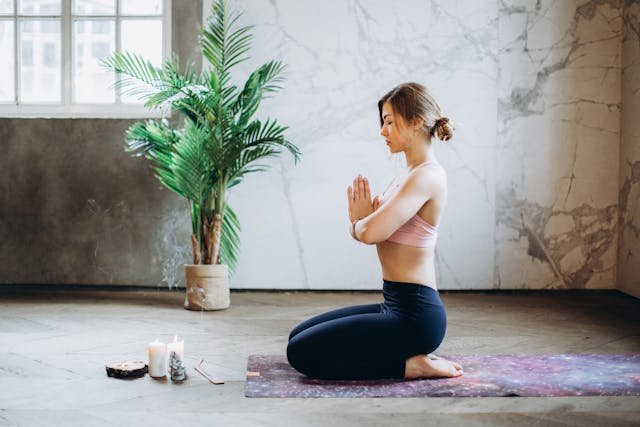
Doesn’t finding a moment of calm feel like a luxury nowadays?
Investing just a few minutes each day in meditation can pay rich dividends in your mental clarity, emotional stability, and overall health.
But, with so many different meditation techniques available, you might wonder: which one is the most effective? The answer isn’t straightforward, it largely depends on what you hope to achieve.
Find your center in this article which will guide you through the most evidence-based meditation techniques, focusing on the mindfulness of breathing, recognized for its remarkable benefits. Regardless of your goals, whether reducing stress, enhancing focus, or finding inner peace, there’s a meditation style that can meet your needs. Let’s jump right in.
Step 1: Understand the Basics of Meditation
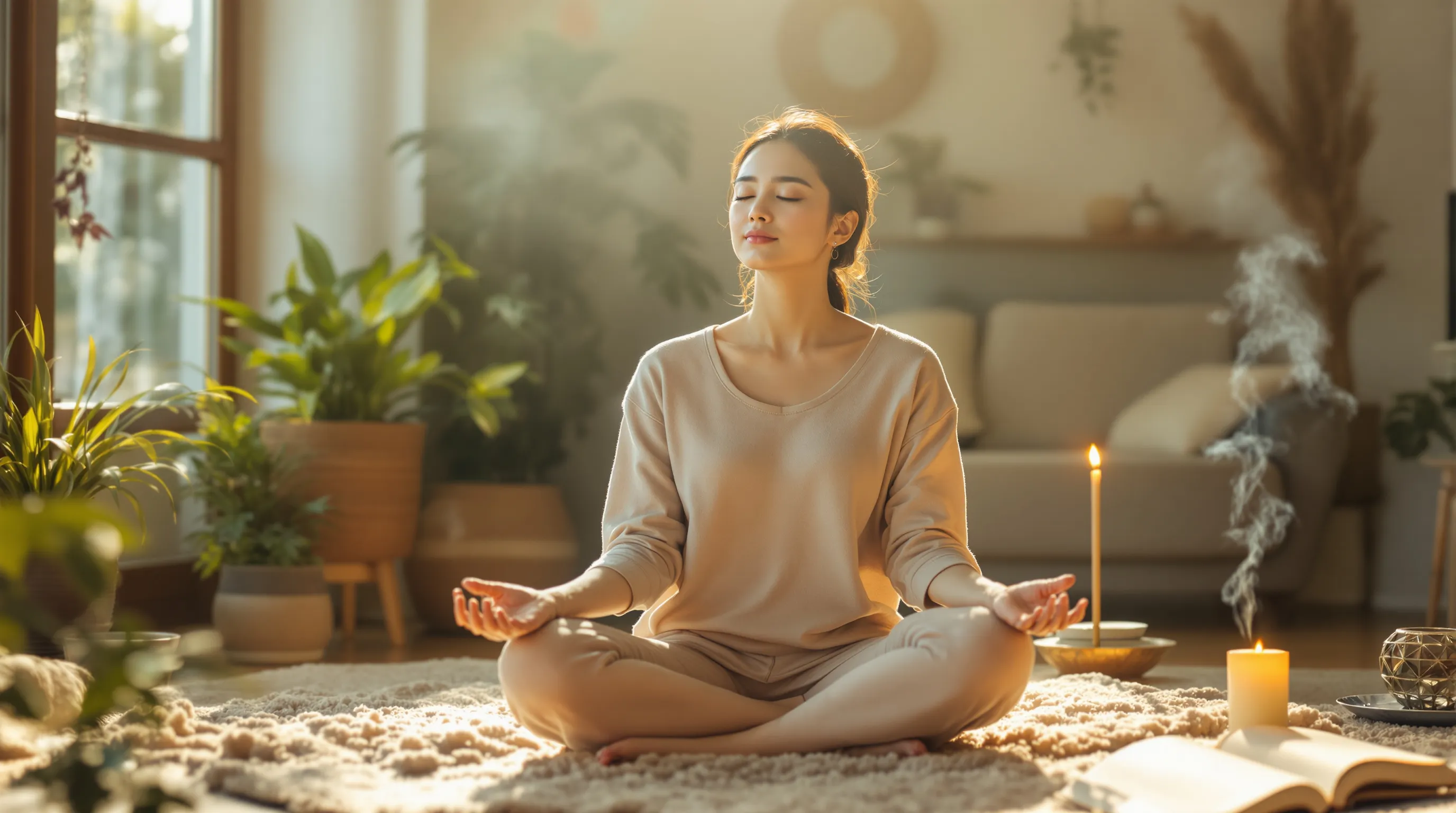
Meditation encompasses a variety of practices, each tailored to promote different benefits. The three major categories are:
- Focused attention: This involves concentrating on a single point of focus, such as your breath or a mantra.
- Open monitoring: This technique encourages nonjudgmental awareness of all experiences, thoughts, and feelings as they arise without trying to control them.
- Automatic self-transcending: This includes certain mantra practices designed to transcend thought entirely.
Among these, mindfulness-based practices, particularly Mindfulness-Based Stress Reduction (MBSR) and Mindfulness-Based Cognitive Therapy (MBCT), show the most substantial evidence supporting their effectiveness in reducing stress, anxiety, and depression while enhancing attention and emotional regulation. This foundational understanding can help you choose a method that resonates with you.
Step 2: Prepare Your Space and Time

Creating an optimal environment for meditation is crucial for maintaining focus.
- Choose a quiet space: Find a location where you can be alone without interruptions. This could be a corner of your bedroom, a cozy chair in your living room, or even a spot in a garden.
- Reduce distractions: Silence your phone and quiet any other noise. If you’re at home, let others know you need some uninterrupted time.
- Set a time: Starting with just 10 minutes daily is a great way to begin. As you get more comfortable, you can gradually extend your practice. Research suggests that the benefits of meditation increase significantly with regularity.
Step 3: Get Into a Comfortable Position
Comfort is key in meditation. While it may be tempting to adopt an imposing yoga pose, here are simple tips for sitting:
- Sit upright but relaxed: Maintain an upright posture, which can help you stay alert while also being comfortable.
- Hands resting on legs: Let your hands fall naturally on your thighs or knees.
- Focus on stability: Your body should feel stable and at ease, allowing you to concentrate on the meditation without discomfort.
Remember, comfort matters more than strict posture: what’s important is that you can remain awake during your practice.
Step 4: Focus on Your Breath
The breath is the cornerstone of many meditation practices. Here’s how to enhance your breath-focused meditation:
- Gently place attention on your breathing: As you breathe naturally, notice the sensations at your nose, chest, or abdomen.
- Counting breaths: If your thoughts begin to wander, consider counting your breaths, inhale as one, exhale as two, up to ten, then start again from one. This counting can help bring your focus back when distractions arise.
Step 5: Gently Observe Your Thoughts
Your mind will inevitably wander, which is perfectly normal. Mindfulness teaches us to gently acknowledge those thoughts without judgment:
- Notice without attachment: When your mind drifts, observe the thoughts that arise and then kindly bring your focus back to your breath. This act of observing is central to developing a nonjudgmental awareness and helps reinforce emotional resilience.
- Practice non-judgmental awareness: This approach can enhance your mental health by reducing reactivity to your thoughts and feelings, making it a vital aspect of your practice.
Step 6: End the Session Mindfully

Mindfully transitioning out of your meditation can enhance your overall experience:
- Expand awareness to your body: After a few minutes, shift your attention back to your body and surroundings. Take a moment to check in with how you feel.
- Gently open your eyes: Slowly bring your awareness back to the present moment, allowing the calmness to linger as you transition into your next activity. This cushioned end can help integrate the benefits of meditation into your daily life.
Step 7: Build a Consistent Practice
Consistency is crucial for reaping the long-term benefits of meditation:
- Regularly practice: Research indicates that meditation can lower blood pressure, improve sleep, and reduce negative feelings with ongoing practice. Aim for at least a few times a week to start, gradually increasing as it becomes a part of your routine.
- Enable structured programs: Consider exploring structured meditation programs, such as the eight-week MBSR or MBCT courses. These programs often yield the most reliable improvements in mental and emotional well-being.
To conclude, while no single meditation technique reigns supreme for everyone, mindfulness of breathing is backed by substantial research that underscores its effectiveness.
By focusing on your breath, observing your thoughts, and cultivating a consistent practice, you can harness the benefits of meditation to enhance your mental well-being and navigate the challenges of busy modern life.
Whether you’re a beginner or looking to deepen your practice, these steps can guide you on your journey towards a calmer, more centered self.