
If you’ve ever asked yourself, “How long do burnouts last?” you’re not alone. Burnout doesn’t arrive overnight, and it rarely disappears that way. The good news: recovery is absolutely possible.
The less-good news: it takes time, intention, and a plan. In this guide, we’ll clarify what burnout really is (and isn’t), the typical timelines we see, and the exact levers, sleep, boundaries, therapy, and more, that speed up the process. Along the way, we’ll translate the science into practical actions we can take this week, not “someday.
What Burnout Really Is (And Isn’t)

Burnout is a state of physical, emotional, and mental exhaustion caused by prolonged, unresolved stress, not just a tough week or a single deadline. It shows up as persistent fatigue, cynicism or detachment, reduced effectiveness, and a blunted sense of motivation. We might still be “functioning,” but we’re no longer thriving.
It’s different from clinical depression (though they can overlap). Burnout is usually tied to chronic stressors such as workload, lack of control, conflicting values, or weak support systems. Address the stressors and support recovery, and symptoms typically improve. That’s why our strategy has to include both physiological repair (sleep, nutrition, movement) and structural change (boundaries, workload, expectations).
Typical Burnout Timelines
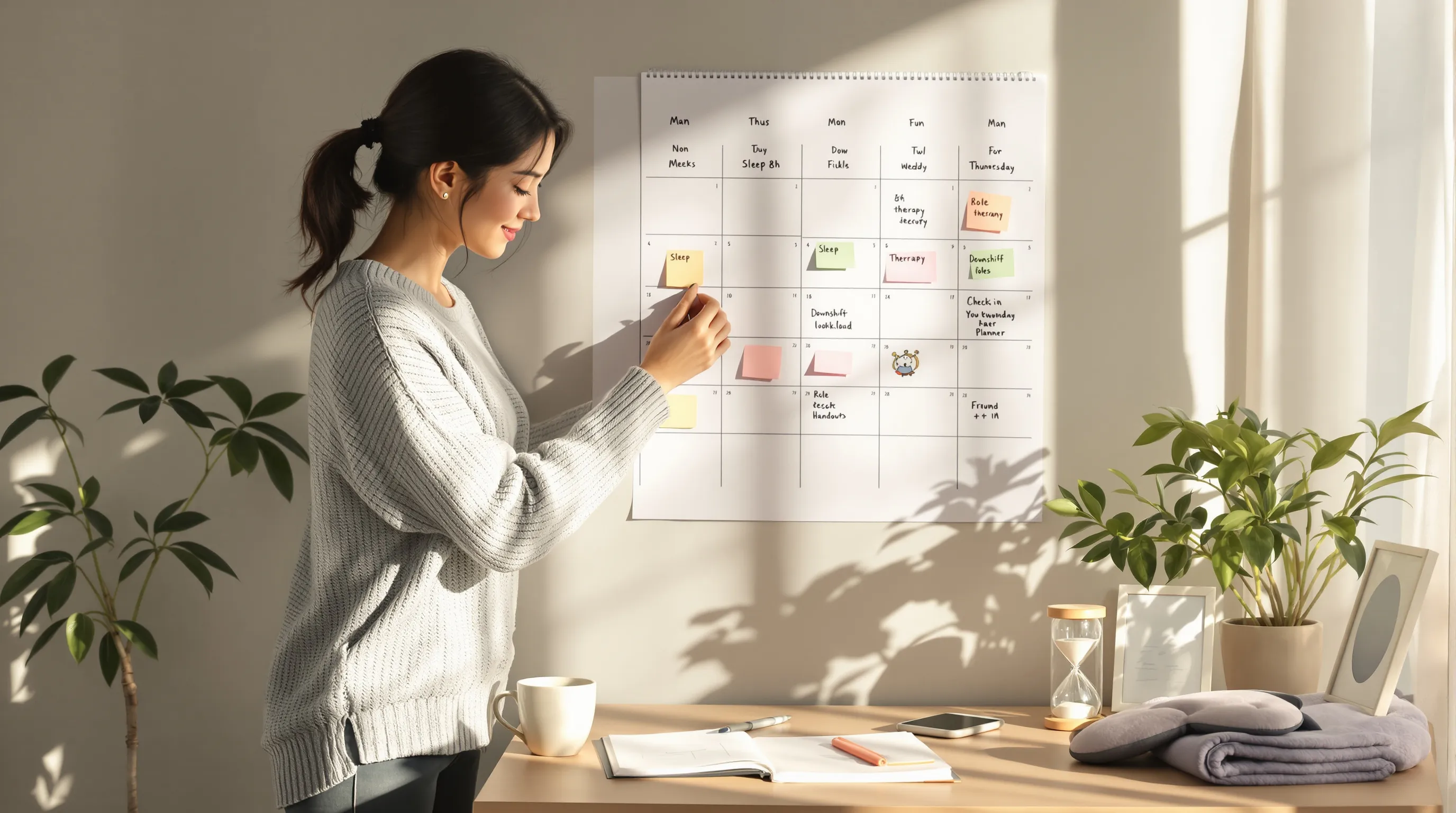
There’s no one-size-fits-all clock. Recovery often takes three months to over a year, with many people noticing the first real shift after a few months of consistent, targeted changes. Some of us feel better within weeks when we catch it early and adjust quickly: others need many months or longer, especially if stress has been compounding for years or if we’re dealing with severe burnout. In rare, complex cases, full recovery can stretch beyond a year.
Common Durations By Scenario
- Mild burnout: weeks to 2–3 months, especially if we downshift workload, prioritize sleep, and reintroduce restorative routines.
- Moderate burnout: roughly 3–6 months with steady lifestyle changes plus support (coaching, therapy, workplace adjustments).
- Severe burnout: 6–12 months or longer. Often requires leave or a major role reset, structured therapy, and careful reintegration.
These ranges reflect patterns in clinical practice and the stress literature: the longer the chronic stress exposure and the more entrenched the causes, the longer the repair.
Factors That Shorten Or Prolong Recovery
- Cumulative load: years of sustained overwork take longer to unwind than a hard quarter.
- Root-cause resolution: we recover faster when we reduce workload, gain control, or change misaligned roles, not just “cope better.”
- Health status and coping skills: sleep quality, fitness, and emotional regulation all influence resilience.
- Social support: compassionate relationships accelerate recovery: isolation slows it.
- Consistency: small daily actions (sleep, movement, therapy assignments) compound. Inconsistency delays progress.
Stages Of Burnout And Recovery
Burnout tends to progress, and resolve, in stages. Knowing where we are helps us pick the right tools.
Onset To Acute Burnout
- Honeymoon: high drive, rising responsibilities, subtle neglect of basic needs.
- Onset of stress: sleep slips, boundaries blur, we push harder to keep up.
- Chronic stress: mounting fatigue, friction with colleagues, procrastination, irritability.
- Burnout: emotional exhaustion, detachment/cynicism, reduced effectiveness: motivation feels flat.
Repair Phase
This is the reset, stabilizing sleep, nutrition, and movement, and turning down the stress signal.
- Physiological recovery: aim for 7–8 hours of sleep, regular meal timing, protein- and fiber-forward plates, and 2.5–4 hours/week of moderate activity (walking, strength, mobility). Sleep is the keystone: better sleep alone measurably improves energy, mood, and cognitive control.
- Psychological recovery: single-tasking instead of multitasking, daily decompression (breathwork, mindfulness, nature), and reintroducing meaningful activities that remind us we’re more than our role.
Rebuild And Relapse-Resistance
Once the nervous system settles, we rebuild capacity, and prevent backslide.
- Work calibration: phased workload increases with clear limits.
- Skills: boundaries, prioritization, and recovery scheduling.
- Systems: calendar buffers, focus blocks, no-meeting windows, and regular check-ins with a manager or therapist.
How To Shorten Burnout Safely
We can’t shortcut biology, but we can remove friction so recovery moves faster and sticks.
Reset The Load: Work And Boundaries
- Create distance from the primary stressor. If possible, take a short leave, reduce hours, or negotiate temporary scope changes.
- Institute hard stops: a daily shutdown time, one no-work weekend day, and a minimum viable meeting policy.
- Say “no” without drama: “Given current priorities, I can do X by Friday or Y by Wednesday, what’s most valuable?”
Physiology First: Sleep, Nutrition, And Movement
- Sleep: protect 7–8 hours. Use a wind-down routine (lights dimmed, screens off 60 minutes prior, hot shower, breathwork). Keep consistent wake times.
- Nutrition: anchor meals around protein (25–40g/meal), colorful produce, and slow carbs. Front-load hydration. Limit alcohol (it fragments sleep) and late caffeine.
- Movement: start with 20–30 minutes of walking most days. Add 2–3 short strength sessions (compound lifts or bodyweight), plus mobility. Exercise is both mood medicine and stress-buffer, dose it gently at first.
Regulate Stress: Nervous System And Mindset Practices
- Breathwork: 5 minutes of extended exhales (e.g., 4-6 cadence) or the physiological sigh can quickly reduce arousal.
- Mindfulness or non-sleep deep rest (NSDR): 10–20 minutes improves perceived energy and focus.
- Chronotype alignment: schedule deep work during naturally alert hours: do admin during dips. We get more done with less strain when we work with our biology.
- Cognitive tools: basic CBT skills (reframing, thought labeling) and realistic self-talk reduce secondary stress.
Social Support And Therapeutic Care
- Let trusted people in: name what’s happening and ask for practical help (childcare swaps, meal help, calendar protection).
- Therapy or coaching: evidence-based approaches (CBT/ACT, stress-management, skills training) help address patterns like perfectionism and people-pleasing while building sustainable systems. Professional care often shortens timelines by aligning actions with root causes.
When To Seek Professional Help
If symptoms persist beyond 2–3 months even though changes, or if you’re experiencing severe exhaustion, hopelessness, panic, or thoughts of self-harm, please seek help now. A licensed therapist can assess for co-occurring issues (anxiety, depression, sleep disorders), tailor a recovery plan, and coordinate with your workplace or primary care if needed. If you ever feel unsafe, contact local emergency services or a crisis line immediately.
Preventing Relapse And Returning To Sustainable Performance
Think of the return as a training block: we’re increasing load gradually while monitoring signals.
Pacing Your Return And Measuring Readiness
- Ramp in phases: start at 60–70% capacity and increase every 2–3 weeks if energy, sleep, and mood stay steady.
- Track simple markers: morning energy (1–10), sleep quality, resting heart rate variability or subjective stress, and end-of-day “burn rate” (how depleted we feel). If two or more markers slip, pause the ramp.
- Keep recovery non-negotiables: movement, sleep windows, and at least one full recovery evening midweek.
Workplace Conversations And System Changes
- Clarify priorities: agree on the top 1–3 outcomes for the quarter: park the rest.
- Redesign the week: focus blocks for deep work, batching for shallow work, and meeting hygiene (shorter by default, fewer attendees, clear decisions).
- Align expectations: document workload thresholds, escalation paths, and time-to-respond norms. System fixes prevent personal heroics from being the default.
Conclusion
So, how long do burnouts last? Most of us recover meaningfully within a few months when we address the real causes and rebuild physiology, and many need 6–12 months for full stability after severe burnout. Time alone doesn’t heal it: targeted action does. If we prioritize sleep, set firm boundaries, get support, and phase our return, we can come back calmer, clearer, and far more resilient.
Key takeaways:
- Burnout is prolonged-stress exhaustion: recovery often takes 3–12 months, sometimes longer for severe cases.
- Fastest progress happens when we fix root causes (workload/control) while restoring sleep, nutrition, and movement.
- Consistency beats intensity: small daily actions compound: erratic efforts delay healing.
- Professional support shortens timelines and helps prevent relapse.
If this resonated, consider one small step today, protect your sleep window, say no to one low-value task, or book a therapy consult. Small, steady moves are how we get our energy, and our life, back.